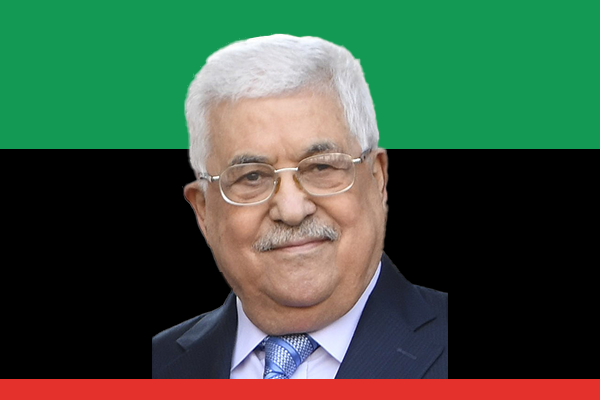
Early Life and Education
Mahmoud Abbas was born on November 15, 1935, in Safed, which was then part of British-controlled Palestine. During the 1948 Arab-Israeli War, his family became refugees and moved to Syria. This experience deeply influenced his political views and commitment to the Palestinian cause.
He later studied law at Damascus University and earned a PhD in history from Patrice Lumumba University in Moscow. His academic background helped shape his intellectual and political approach, especially his focus on diplomacy and international relations.
Role in Palestinian Politics
Abbas was a founding member of Fatah, the main Palestinian political party established in the late 1950s. He worked closely with Yasser Arafat, the longtime leader of the Palestinian national movement.
He became a senior member of the Palestine Liberation Organization (PLO), which represents Palestinians internationally. Abbas played a key role in diplomatic efforts, including secret negotiations with Israel that led to the Oslo Accords in 1993. These agreements created the Palestinian Authority and gave Palestinians limited self-rule in parts of their territory.
Presidency and Leadership
Mahmoud Abbas became President in 2005 following the death of Yasser Arafat. His leadership focused on diplomacy, institution-building, and gaining international recognition for Palestine.
As President, he governed parts of the West Bank, although political divisions meant his authority did not fully extend to the Gaza Strip after 2007.
Abbas strongly supported peaceful negotiations with Israel and opposed violence. He believed that diplomacy and international support were the best ways to achieve Palestinian independence.
International Diplomacy
One of Abbas’s major achievements was improving Palestine’s international status. Under his leadership, Palestine gained recognition from many countries and became a non-member observer state at the United Nations in 2012.
He worked to strengthen Palestine’s presence in international organizations and promoted the idea of a two-state solution, which would create an independent Palestinian state alongside Israel.
Challenges and Criticism
Despite his diplomatic efforts, Abbas faced many challenges. Peace negotiations with Israel often stalled, and internal Palestinian political divisions weakened unity.
Some Palestinians criticized his leadership, arguing that progress toward statehood was slow. Others believed his peaceful strategy was necessary to gain international support.
He also faced the difficult task of maintaining stability and governance under complex political and economic conditions.
Legacy and Importance
Mahmoud Abbas remains a central figure in Palestinian politics. His leadership represents a diplomatic approach to one of the world’s longest-running conflicts.
He is known internationally as a moderate leader who supports negotiation and political solutions. His efforts helped increase global recognition of Palestinian rights and strengthened Palestinian institutions.
Conclusion
President Mahmoud Abbas has played a major role in shaping modern Palestinian politics. From his early involvement in the national movement to his presidency, he has focused on diplomacy and peaceful negotiation. His leadership continues to influence the future of Palestine and its quest for independence.