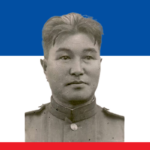
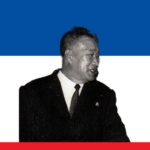
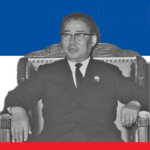
Vice-Presidents of North Korea
North Korea, officially known as the Democratic People’s Republic of Korea (DPRK), has a unique and highly centralized political system dominated by the ruling Workers’ Party of Korea. Unlike many countries where the role of vice-president is often clearly defined as a successor to the head of state, North Korea has historically assigned the title of vice-president in a symbolic or ceremonial capacity. The position existed primarily in the early decades following the establishment of the DPRK in 1948 but has since undergone significant changes, reflecting shifts in the nation’s leadership structure and governance philosophy. The office of vice-president was closely associated with supporting the president in state functions, participating in political decision-making, and representing the DPRK in international affairs.
The first and most prominent vice-presidents served under the country’s founding leader, Kim Il-sung. The vice-presidents were typically senior party members or revolutionary veterans who had contributed significantly to the Korean liberation struggle against Japanese colonial rule. Their appointments were meant to reinforcesff loyalty to Kim Il-sung while also distributing responsibilities in the administration of the young state. Over time, the role became more ceremonial, emphasizing representation rather than actual executive power.
Notable individuals who held the position include Kim Tu-bong, who served as a prominent political figure and played a significant role in the early government, and Choe Yong-gon, who later became a leading military figure in North Korea. Kim Il-sung carefully selected vice-presidents who had revolutionary credentials and could project an image of stability and continuity within the government. These leaders were instrumental in executing state policies, representing North Korea abroad, and participating in ceremonial duties such as state events, receptions of foreign dignitaries, and commemorative ceremonies.
In addition to their political and ceremonial responsibilities, vice-presidents were sometimes tasked with overseeing specific policy areas or administrative functions. However, their influence was always secondary to that of the president, reflecting the highly centralized nature of North Korean governance. The role gradually diminished and eventually disappeared as the political system evolved toward a more centralized structure under Kim Il-sung, and later undder his son Kim Jong-il. Since the 1970s, North Korea no longer maintains the position of vice-president, and leadership functions are concentrated within the Supreme Leader, the Politburo, and other party organs.
Overall, the office of vice-president in North Korea represents a historical phase in the country’s political development. It highlights the early attempts to institutionalize leadership roles beyond the president, while simultaneously emphasizing loyalty, revolutionary legitimacy, and ceremonial representation. Although the position no longer exists, the vice-presidents of the DPRK played an important part in shaping the administrative and symbolic frameworks of the state during its formative years.