Mr. Aníbal Cavaco Silva
In Office: 9 March 2006 – 9 March 2016
Political Party: Socialist
Home state: Boliqueime
Lifespan: born 1939
Country: Portugal
Image credit available here.
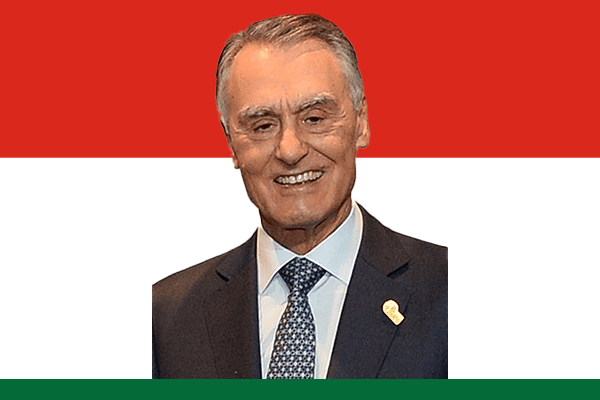
Early Life and Education
Aníbal Cavaco Silva was born on July 15, 1939, in Boliqueime, a small town in southern Portugal. He grew up in a modest family and developed a strong work ethic from an early age. Instead of remaining limited by his rural background, he pursued higher education and earned a degree in economics from the Technical University of Lisbon.
He later completed a doctorate in economics at the University of York in the United Kingdom. During his academic career, he actively engaged in teaching and research, building a solid foundation in economic theory and policy. His expertise in economics later became a defining feature of his political leadership.
Entry into Politics
Cavaco Silva entered politics after the Carnation Revolution, which transformed Portugal from an authoritarian regime into a الديمقراطية state. He joined the Social Democratic Party (PSD) and quickly rose through its ranks. Rather than adopting a passive role, he actively contributed to policy debates and party organization.
His economic knowledge and leadership skills earned him recognition within the party. By the 1980s, he had established himself as a key figure in Portuguese politics.
Prime Ministership
In 1985, Cavaco Silva became Prime Minister of Portugal. He led the country for ten years, making him the longest-serving prime minister in modern Portuguese history. During his tenure, he actively implemented economic reforms that promoted growth, investment, and modernization.
He played a central role in Portugal’s entry into the European Economic Community (now the European Union). By leveraging European funds, he improved infrastructure, education, and industry. Instead of relying on traditional approaches, he pursued policies that encouraged innovation and competitiveness.
His government focused on reducing inflation, increasing employment, and strengthening the national economy. These efforts significantly improved Portugal’s economic standing in Europe.
Presidency
After a period away from frontline politics, Cavaco Silva returned and was elected President of Portugal in 2006. He served two terms until 2016. As president, he ensured political stability and upheld the constitution.
Although the presidency in Portugal holds limited executive power, he actively influenced national discussions and provided guidance during economic challenges. During the global financial crisis, he worked with the government to maintain stability and public confidence.
Rather than remaining symbolic, he used his position to encourage responsible governance and economic discipline.
Leadership Style and Contributions
Cavaco Silva’s leadership style reflects pragmatism, discipline, and a focus on results. He bases his decisions on economic analysis and long-term planning. He actively promotes fiscal responsibility and sustainable development.
He also emphasizes education and innovation as key drivers of national progress. His policies contributed to Portugal’s transition into a modern European economy.
Challenges and Criticism
Despite his achievements, Cavaco Silva faced criticism, particularly during times of economic hardship. Some critics argued that his policies favored austerity measures. However, he addressed these challenges by emphasizing the importance of stability and fiscal discipline.
Instead of avoiding criticism, he engaged in public dialogue and defended his decisions with clear reasoning.
Personal Life
Aníbal Cavaco Silva is married to Maria Cavaco Silva, and they have children together. He maintains a relatively private personal life, focusing primarily on his public responsibilities and academic interests.
Conclusion
Aníbal Cavaco Silva remains a central figure in Portugal’s modern history. Through active leadership as both Prime Minister and President, he guided the country through significant economic and political transformations. His legacy reflects commitment to reform, stability, and progress.