Mr. Benigno Aquino III
In Office: 30 June 2010 – 30 June 2016
Political Party: Liberal Party
Home State: Sampaloc
Lifespan: 1960–2021
Country: Philippines
Image credits available here.
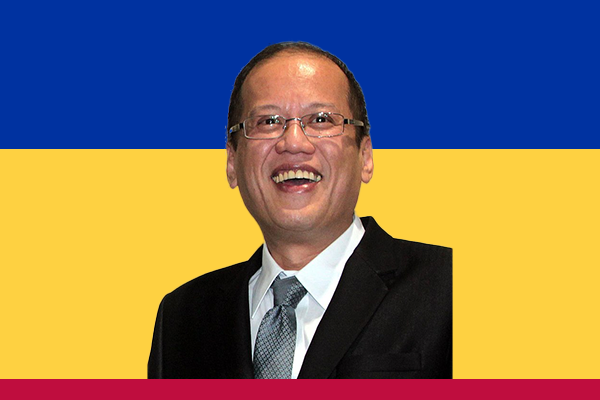
Early Life and Education
Benigno Simeon “Noynoy” Aquino III was born on February 8, 1960, in Manila, Philippines. He was the only son of Senator Benigno “Ninoy” Aquino Jr. and former President Corazon Aquino. His family’s deep political roots and sacrifices for democracy shaped his sense of duty from an early age. He attended Ateneo de Manila University, where he earned a degree in economics in 1981. His education and family influence inspired him to pursue a life of public service.
Early Political Career
Aquino began his political career in 1998 when he won a seat in the House of Representatives for Tarlac’s 2nd District. As a congressman, he focused on social welfare and government accountability. He advocated for transparency and fiscal responsibility. In 2007, he advanced to the Senate, where he continued promoting ethical governance and economic reform. His calm demeanor and commitment to public service earned him respect from both allies and critics.
Path to the Presidency
After the death of his mother, Corazon Aquino, in 2009, the nation called on Benigno Aquino III to continue his family’s legacy. Responding to the public’s appeal, he announced his presidential candidacy. His campaign centered on the slogan “Daang Matuwid” (Straight Path), which promised honest governance and an end to corruption. In the 2010 elections, he won a landslide victory, reflecting the Filipino people’s trust in his integrity and leadership.
Governance and Anti-Corruption Efforts
As president, Aquino prioritized transparency and good governance. He launched anti-corruption campaigns that held public officials accountable for misuse of funds. His administration strengthened the Office of the Ombudsman and encouraged citizens to participate in monitoring government projects. He believed that eradicating corruption would attract investment and promote sustainable development.
Economic Achievements
Under Aquino’s leadership, the Philippines experienced strong economic growth. He implemented sound fiscal policies, reduced national debt, and improved credit ratings. International agencies recognized the country as one of Asia’s fastest-growing economies during his tenure. His administration invested in infrastructure, social services, and education, ensuring that development benefited all sectors of society. He also expanded the conditional cash transfer program to support low-income families and reduce poverty.
Foreign Policy and International Relations
President Aquino strengthened the Philippines’ alliances with other nations while defending its sovereignty. He promoted regional cooperation through ASEAN and maintained a firm stance on the South China Sea dispute. He sought peaceful solutions through international law, filing a case against China before the Permanent Court of Arbitration. His diplomatic approach earned respect for the Philippines in the global community.
Challenges and Crisis Management
Aquino faced several national crises during his presidency. The 2013 Typhoon Haiyan (Yolanda) tested his administration’s disaster response capabilities. He mobilized national agencies and international assistance to rebuild affected areas, though his government faced criticism over delays. He also dealt with security issues such as the Mamasapano incident in 2015, which resulted in the loss of police commandos. Despite these challenges, he remained steadfast in pursuing peace and stability.
Legacy and Later Years
Benigno Aquino III completed his six-year term in 2016 with high marks for honesty and economic progress. He retired from public life after leaving office, maintaining a private and humble lifestyle. His leadership left a lasting mark on the Philippines, particularly for his dedication to clean governance, human rights, and democratic values. He passed away on June 24, 2021, leaving behind a legacy of integrity and reform.
Conclusion
President Benigno Aquino III guided the Philippines with a vision rooted in honesty, accountability, and progress. He strengthened institutions, promoted inclusive growth, and upheld democratic principles. His legacy as the “Servant Leader” continues to inspire Filipinos to pursue the “Straight Path” toward a just and prosperous nation.