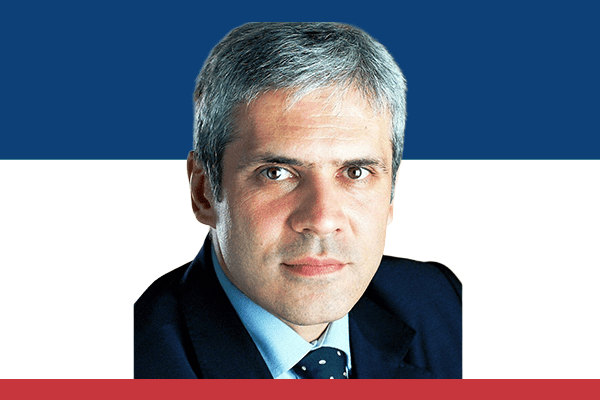
Early Life and Education
Boris Tadić was born on January 15, 1958, in Sarajevo, which was then part of Yugoslavia. He grew up in a family with strong intellectual and political values. His father, Ljubomir Tadić, worked as a philosopher and political thinker, which greatly influenced Boris’s outlook on society and politics.
Tadić completed his education in Belgrade. He studied psychology at the University of Belgrade and later worked as a professor and journalist. His academic background helped him develop communication skills and a deep understanding of human behavior. Before entering politics, he actively participated in social and democratic movements.
Entry into Politics
Boris Tadić entered politics during a period of major political change in Serbia and the former Yugoslavia. He joined the Democratic Party, which supported democratic reforms and opposed authoritarian rule. Through his dedication and leadership abilities, he quickly gained importance within the party.
In the early 2000s, Tadić served as the Minister of Telecommunications in the Federal Republic of Yugoslavia. He later became the Minister of Defense of Serbia and Montenegro. In these positions, he promoted reforms and worked to modernize state institutions.
Presidency of Serbia
In 2004, Boris Tadić won the presidential election and became President of Serbia. He focused on strengthening democracy, improving economic conditions, and increasing Serbia’s cooperation with European countries. His leadership style emphasized dialogue, diplomacy, and peaceful solutions.
Tadić strongly supported Serbia’s goal of joining the European Union. He introduced reforms that aligned Serbia with European standards in governance, law, and human rights. Under his presidency, Serbia signed important agreements with the European Union, bringing the country closer to membership.
During his time in office, Tadić also worked to improve relations with neighboring Balkan countries. He encouraged regional cooperation and reconciliation after years of conflict in the region. His diplomatic efforts helped Serbia build a more positive international image.
Leadership and Policies
Boris Tadić promoted economic development and foreign investment in Serbia. He encouraged modernization in infrastructure, education, and public administration. He believed that democratic institutions and economic progress would strengthen Serbia’s future.
One of the most significant moments of his presidency came when Serbia officially applied for European Union membership in 2009. This step demonstrated his long-term vision for Serbia’s integration into Europe.
Tadić also faced difficult challenges during his presidency. Serbia dealt with economic problems, political disagreements, and tensions surrounding Kosovo’s declaration of independence in 2008. Despite these challenges, he continued to advocate for diplomacy and peaceful negotiation.
Later Political Career
In 2012, Boris Tadić lost the presidential election to Tomislav Nikolić. After leaving office, he remained active in Serbian politics and public life. He later formed his own political movement and continued to speak about democracy, European integration, and regional cooperation.
Although opinions about his leadership differ, many people credit him with helping Serbia move toward democratic reforms and closer ties with Europe.
Legacy and Influence
Boris Tadić played an important role in shaping modern Serbia. He promoted democratic governance, encouraged international cooperation, and supported Serbia’s path toward European integration. His presidency marked a period of political transformation and modernization.
His efforts to improve regional relations and strengthen democratic institutions continue to influence Serbian politics today. Through diplomacy and reform-oriented policies, Tadić left a lasting impact on Serbia’s development.
Conclusion
Boris Tadić remains an influential figure in Serbian political history. His leadership focused on democracy, modernization, and international cooperation. By promoting reforms and encouraging peaceful dialogue, he helped Serbia strengthen its position in Europe and the Balkans.