Mr. Emilio Aguinaldo y Famy
In Office: 23 January 1899 – 19 April 1901
Political Party: Nonpartisan
Home State: Kawit
Lifespan: 1869–1964
Country: Philippines
Image credits available here.
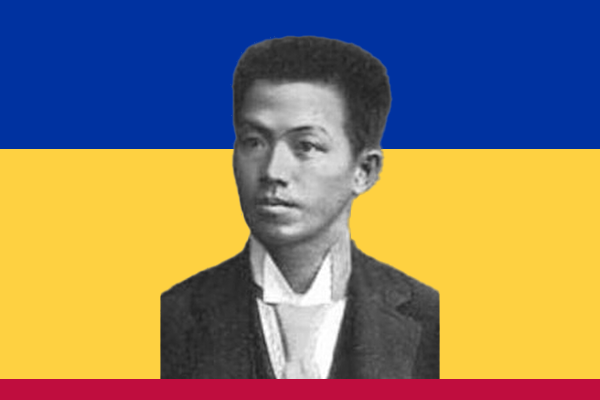
Early Life and Background
Emilio Aguinaldo y Famy was born on March 22, 1869, in Cavite El Viejo, now known as Kawit, Cavite. His parents, Carlos Aguinaldo and Trinidad Famy, belonged to an influential family of landowners. Aguinaldo grew up with a strong sense of duty to his community. He studied at Colegio de San Juan de Letran but left school early to help manage family affairs. Even as a young man, he showed leadership and compassion for his fellow Filipinos.
Involvement in the Philippine Revolution
Aguinaldo entered politics at a young age when he served as the Cabeza de Barangay of Binakayan. He later joined the Katipunan, a secret revolutionary organization founded by Andrés Bonifacio. He quickly rose through the ranks because of his discipline, courage, and strategic thinking. In 1896, when the Philippine Revolution erupted, Aguinaldo led the forces in Cavite and achieved several victories against Spanish troops. His success inspired many Filipinos to join the fight for independence.
Rise to Leadership
As the revolution expanded, tensions grew between the revolutionary factions of Bonifacio’s Magdalo and Magdiwang. Aguinaldo emerged as a unifying figure who sought to bring order to the revolutionary movement. During the Tejeros Convention in 1897, the revolutionary leaders elected Aguinaldo as President of the Revolutionary Government. Though the event caused controversy, Aguinaldo accepted the position and promised to lead the revolution with unity and purpose.
The Biak-na-Bato Agreement and Exile
In late 1897, Aguinaldo negotiated with Spanish authorities to end the conflict. The resulting Pact of Biak-na-Bato granted temporary peace in exchange for his voluntary exile to Hong Kong. Aguinaldo used the funds from the agreement to purchase weapons and plan for the next stage of the revolution. Even in exile, he continued to organize revolutionary forces and maintain communication with Filipino patriots at home.
Return and Declaration of Independence
When the Spanish-American War broke out in 1898, Aguinaldo returned to the Philippines with the help of the Americans. He reorganized the revolutionary army and intensified the campaign against Spanish forces. On June 12, 1898, Aguinaldo proclaimed Philippine independence in Kawit, Cavite. During the ceremony, the Filipino flag was raised, and the national anthem was played for the first time. This historic event marked the birth of the First Philippine Republic.
The First Philippine Republic
In 1899, Aguinaldo established the First Philippine Republic in Malolos, Bulacan. He convened the Malolos Congress, which drafted and ratified the first democratic constitution in Asia. As president, Aguinaldo worked to build a stable government, promote education, and defend the nation’s sovereignty. His administration faced enormous challenges, especially with the entry of American forces after Spain’s defeat.
The Philippine-American War
When the United States refused to recognize Philippine independence, conflict broke out between Filipino and American troops in 1899. Aguinaldo led the resistance, commanding his forces through both open battles and guerrilla warfare. Despite limited resources, he continued to inspire his soldiers to fight for freedom. In 1901, American troops captured him in Palanan, Isabela. He later pledged allegiance to the United States, ending his military struggle but not his patriotic ideals.
Later Life and Legacy
After the war, Aguinaldo retired from politics but remained active in civic affairs. He advocated for veterans’ rights and promoted Philippine independence through peaceful means. In 1935, he ran for president but lost to Manuel L. Quezon. In his later years, he lived quietly in Cavite, dedicating his time to writing and supporting national causes. Emilio Aguinaldo died on February 6, 1964, at the age of 94.
Conclusion
President Emilio Aguinaldo y Famy led the Philippines through its most critical moments of revolution and nation-building. He demonstrated courage, intelligence, and unwavering commitment to freedom. His leadership as the first President of the Philippines laid the groundwork for the nation’s independence and inspired future generations to uphold the values of unity and patriotism.