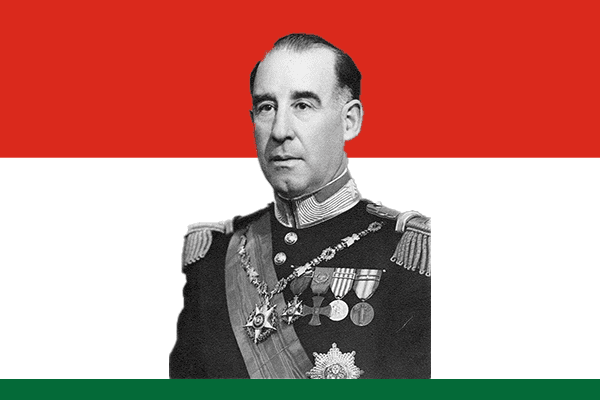
Early Life and Military Career
Francisco Higino Craveiro Lopes was born on April 12, 1894, in Lisbon, Portugal. He pursued a career in the military from a young age and attended Portugal’s military academy, where he developed strong leadership and technical skills. He specialized in engineering and later joined the Portuguese Air Force, becoming one of the pioneers of military aviation in Portugal.
Instead of remaining confined to routine duties, he actively advanced through the ranks by demonstrating discipline and competence. He contributed to the development of aviation infrastructure and training programs. His dedication earned him respect within the armed forces and positioned him as a prominent military leader.
Rise to the Presidency
Craveiro Lopes entered national politics during the Estado Novo regime led by António de Oliveira Salazar. In 1951, he became President of Portugal following the death of President Óscar Carmona. His selection reflected the regime’s preference for a loyal and disciplined military figure.
He did not remain a passive ceremonial leader. Instead, he actively engaged with governmental matters, although the prime minister retained most executive power. He sought to assert a degree of independence while maintaining cooperation with Salazar’s administration.
Presidency and Governance
During his presidency, Craveiro Lopes performed important ceremonial and diplomatic duties. He represented Portugal in international affairs and strengthened relations with allied nations. He also supported military and administrative initiatives that aligned with national priorities.
Rather than simply endorsing all government decisions, he occasionally expressed reservations about certain policies. His efforts to exercise independent judgment created subtle tensions within the regime. Despite these challenges, he continued to fulfill his responsibilities with dedication and professionalism.
He actively visited different regions of Portugal and its overseas territories, reinforcing national unity and demonstrating the presence of leadership. His engagement with citizens and officials reflected his commitment to public service.
Challenges and Political Tensions
Craveiro Lopes faced increasing challenges as he attempted to balance loyalty to the regime with his personal views on governance. His relationship with Salazar grew strained over time due to differences in perspective and leadership style.
Instead of retreating from these difficulties, he addressed them by maintaining dignity and restraint. However, the political structure limited his ability to influence major decisions. In 1958, the regime chose not to support his re-election, effectively ending his presidency.
Later Life and Legacy
After leaving office, Craveiro Lopes withdrew from active political life. He spent his later years away from the public spotlight but remained a respected figure in military and national circles. He passed away on September 2, 1964.
His legacy reflects a leader who operated within a restrictive political system yet attempted to exercise responsibility and integrity. He did not radically transform the regime, but he demonstrated a willingness to engage thoughtfully with his role.
Conclusion
Francisco Craveiro Lopes remains an important figure in Portuguese history. Through active service as a military officer and president, he contributed to the nation during a challenging era. His leadership illustrates the complexities of governance within an authoritarian system and highlights the balance between duty and personal conviction.