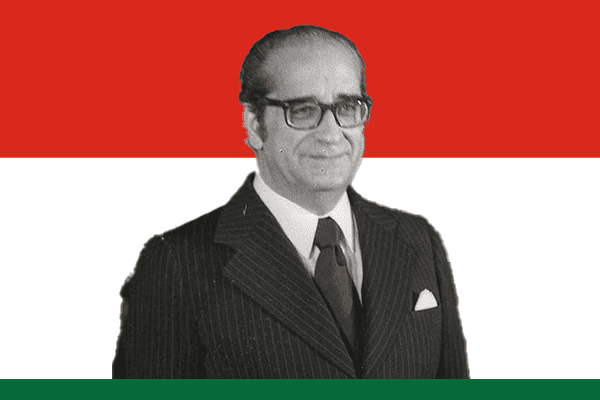
Early Life and Education
Francisco da Costa Gomes was born on June 30, 1914, in Chaves, Portugal. He pursued a military career early in life and enrolled in the Portuguese Military Academy. Through dedication and discipline, he developed strong strategic and leadership skills. He specialized in cavalry and steadily advanced through the ranks of the Portuguese Army.
Instead of remaining limited to routine duties, he actively expanded his knowledge of military science and international affairs. His early experiences shaped his pragmatic approach to leadership and prepared him for future national responsibilities.
Military Career
Costa Gomes built a distinguished military career marked by professionalism and strategic insight. He held several important positions within the Portuguese armed forces and gained recognition for his competence. During the colonial wars in Africa, he evaluated military strategies critically and expressed concerns about prolonged conflict.
Rather than blindly supporting government policies, he took an independent stance and emphasized the need for realistic solutions. His views sometimes placed him at odds with the authoritarian regime, but they also demonstrated his commitment to national interest over political conformity.
Role in the Carnation Revolution
One of the defining moments in Costa Gomes’s career came during the Carnation Revolution. This peaceful military coup ended decades of dictatorship in Portugal. Costa Gomes supported the movement that sought to establish democracy and end colonial wars.
He did not remain a passive observer; instead, he actively contributed to the transition process. After the revolution, he assumed a leadership role in guiding the country through political uncertainty. His balanced approach helped prevent instability and conflict during this critical period.
Presidency of Portugal
In 1974, Costa Gomes became President of Portugal, succeeding António de Spínola. As president, he worked to consolidate democratic institutions and maintain order in a rapidly changing political environment. He encouraged dialogue among different political groups and supported the drafting of a new constitution.
Rather than exercising authoritarian control, he promoted inclusivity and cooperation. His presidency oversaw significant reforms, including the decolonization of Portuguese territories and the establishment of democratic governance structures. He remained committed to ensuring that Portugal moved forward peacefully.
Leadership Style and Contributions
Costa Gomes led with pragmatism, moderation, and a strong sense of responsibility. He valued stability and avoided extreme positions, which helped unify a divided nation. He actively supported democratic principles and worked to align Portugal with broader European values.
His contributions extended beyond politics. He influenced military reforms and encouraged a professional and non-political role for the armed forces in a الديمقراطية society. His leadership set an example of how military figures could support democratic transitions rather than hinder them.
Challenges and Legacy
Costa Gomes faced numerous challenges, including political divisions, economic difficulties, and the complexities of decolonization. Despite these obstacles, he maintained a steady course and prioritized national unity.
His legacy reflects his commitment to democracy and stability. He played a key role in shaping modern Portugal and ensuring a peaceful transition from dictatorship to democracy. His efforts earned him respect both nationally and internationally.
Conclusion
Francisco da Costa Gomes remains an important figure in Portuguese history. Through active leadership and a dedication to democratic values, he helped guide Portugal during one of its most transformative periods. His legacy continues to influence the country’s political and social development.