Gloria Macapagal Arroyo
In Office: 20 January 2001 – 30 June 2010
Political Party: Lakas–Christian Muslim Democrats
Home State: Ermita
Lifespan: born 1947
Country: Philippines
Image credits available here.
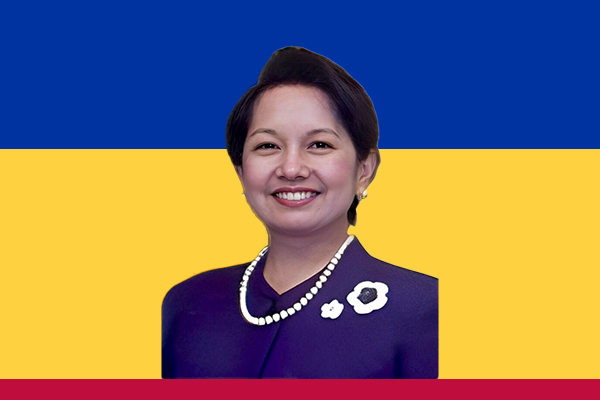
Early Life and Education
Gloria Macapagal Arroyo was born on April 5, 1947, in San Juan, Philippines. She grew up in a family deeply rooted in politics; her father, Diosdado Macapagal, served as the ninth President of the Philippines. Inspired by her father’s example, Arroyo developed a strong interest in governance and public service. She studied economics at Georgetown University in Washington, D.C., where she became a classmate of future U.S. President Bill Clinton. Later, she earned a master’s degree in economics from Ateneo de Manila University and a doctorate from the University of the Philippines.
Academic and Professional Career
Before entering politics, Arroyo built a distinguished academic career. She taught economics at Ateneo de Manila University for over a decade, where she gained a reputation as a sharp and analytical thinker. Her deep understanding of economic principles helped shape her future political agenda. The government recognized her expertise and appointed her as Assistant Secretary and later Undersecretary of Trade and Industry during President Corazon Aquino’s administration. In these roles, Arroyo helped promote business development and export growth.
Entry into Politics
Arroyo entered politics in 1992 when she ran for the Philippine Senate. She won by a large margin, marking the start of her political rise. As a senator, she focused on economic reforms, social development, and anti-poverty initiatives. Her legislative work earned her widespread respect and positioned her as a rising star in Philippine politics.
Vice Presidency and Rise to Power
In 1998, Gloria Macapagal Arroyo ran for vice president under the Lakas-NUCD party. She won the election with overwhelming support, even though the presidency went to Joseph Estrada. As vice president, she also served as Secretary of Social Welfare and Development. She launched programs aimed at reducing poverty and supporting vulnerable communities. However, political tensions grew during Estrada’s administration. When massive protests erupted in 2001 over corruption allegations against Estrada, Arroyo took a stand for good governance. She assumed the presidency on January 20, 2001, after Estrada’s ouster through the EDSA II revolution.
Economic and Political Reforms
As president, Arroyo focused on stabilizing the economy and strengthening national institutions. She implemented policies that encouraged foreign investment, improved infrastructure, and created jobs. Her administration achieved consistent economic growth, reduced inflation, and increased tax revenues. She also launched the “Strong Republic” agenda, which aimed to improve transportation, communication, and energy systems.
Arroyo promoted educational reforms and expanded access to basic health care. She worked to modernize the military and improve peace efforts in conflict-affected areas like Mindanao. However, her leadership also faced criticism due to corruption allegations and political controversies. Despite these challenges, she maintained strong control over her administration and completed her term, making her one of the country’s longest-serving presidents.
Leadership During Crises
Arroyo led the Philippines through several national crises, including natural disasters and security threats. She managed the response to devastating typhoons and strengthened disaster preparedness systems. During her presidency, she also faced coup attempts and political instability, but she relied on her resilience and strategic decision-making to maintain order. Her calm yet firm leadership style helped her navigate these turbulent periods.
Legacy and Later Years
Gloria Macapagal Arroyo left office in 2010 after nine years in power. She became the second-longest-serving president in Philippine history after Ferdinand Marcos. After her presidency, she continued serving the nation as a member of the House of Representatives, representing Pampanga. Her leadership legacy remains complex—marked by strong economic performance and enduring controversy. Many Filipinos remember her as a pragmatic economist who prioritized stability and growth during difficult times.
Conclusion
President Gloria Macapagal Arroyo combined intellectual discipline with political resilience. She strengthened the Philippine economy, managed crises decisively, and upheld the nation’s democratic framework amid intense challenges. Her presidency reflected the balance between reform and controversy, leaving a lasting impact on the Philippines’ political and economic landscape.