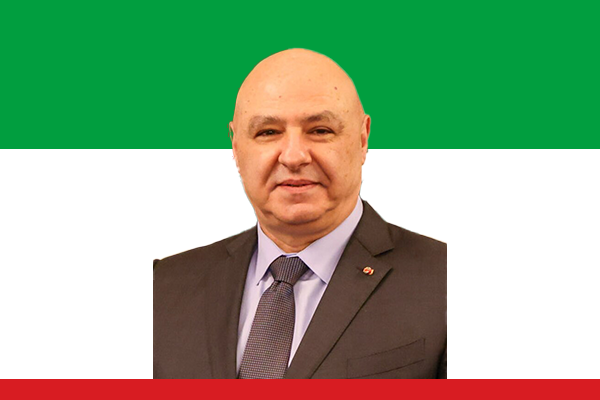
Early Life and Military Career
Joseph Khalil Aoun was born on January 10, 1964, in Sin el-Fil, a suburb of Beirut, Lebanon. He joined the Lebanese Army in 1983 during the Lebanese Civil War, a time when the country was deeply divided along sectarian lines. Over the years, Aoun steadily advanced through the ranks, gaining experience in both operational and administrative roles.
He received military training in Lebanon and abroad, including in the United States and other allied countries. His professional development included specialized courses in counterterrorism, defense strategy, and military leadership. These experiences helped shape his disciplined approach to command and his focus on strengthening the institutional capacity of the Lebanese Armed Forces.
Commander of the Lebanese Armed Forces
In March 2017, Joseph Aoun was appointed Commander of the Lebanese Armed Forces. His tenure as army chief coincided with some of the most difficult years in Lebanon’s recent history. The country faced economic collapse, widespread protests, the Beirut port explosion in 2020, and heightened political tensions.
Under his leadership, the Lebanese Army worked to maintain security and prevent unrest from escalating into widespread violence. Aoun emphasized the army’s role as a unifying national institution that stands above political divisions. He consistently called for protecting peaceful demonstrations while also preserving public order. His balanced approach earned him respect from various political factions and from international partners.
Joseph Aoun also strengthened cooperation between Lebanon and foreign allies, particularly in securing military aid and training. This international support was vital in sustaining the army during a severe financial crisis that affected soldiers’ salaries and operational capabilities.
Presidency and Political Role
Joseph Aoun’s reputation for integrity, discipline, and neutrality made him a strong candidate for the presidency during Lebanon’s prolonged political stalemate. In a country where leadership is often shaped by sectarian politics, his military background and relatively independent stance appealed to many Lebanese citizens seeking reform and stability.
As President, Joseph Aoun focuses on restoring confidence in state institutions, supporting economic recovery, and maintaining national unity. He emphasizes the importance of dialogue among Lebanon’s diverse political and religious communities. His leadership style reflects his military experience—structured, pragmatic, and centered on national security and institutional strength.
A key priority of his presidency is reinforcing the authority of the Lebanese state and supporting reforms that address corruption, financial mismanagement, and governance challenges. While Lebanon’s political system remains complex, Aoun’s presidency represents an effort to rebuild trust between the government and the people.
Leadership Style and Public Image
Joseph Aoun is widely viewed as disciplined, calm, and strategic. Unlike many traditional politicians, he built his career primarily within the military rather than through partisan politics. This background contributes to his image as a figure who prioritizes national interest over factional agendas.
His speeches often emphasize unity, sovereignty, and the importance of strong institutions. He avoids inflammatory rhetoric and instead promotes dialogue and cooperation. Supporters see him as a stabilizing force in a country frequently marked by political gridlock and external pressures.
Conclusion
President Joseph Aoun stands as a central figure in Lebanon’s contemporary leadership landscape. From his early days in the Lebanese Army during the civil war to his role as Commander of the Armed Forces and ultimately President, his career reflects dedication to national service. Facing economic hardship, political division, and regional uncertainty, Joseph Aoun’s leadership aims to strengthen Lebanon’s institutions and promote stability. His presidency represents both continuity in national defense values and a hope for renewed governance in a challenging era.