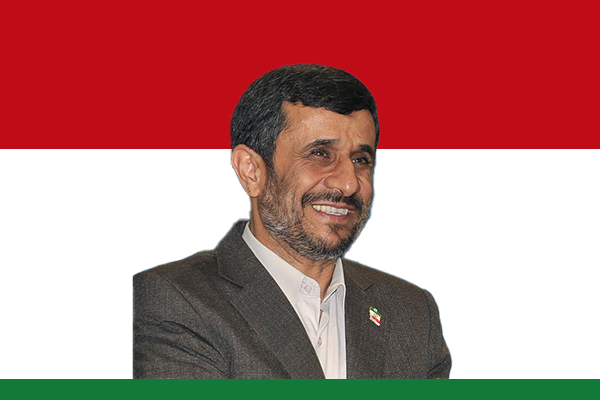
Early Life and Rise to Power
Mahmoud Ahmadinejad began his journey in a modest Iranian family and shaped his worldview through academic discipline and political activism. He studied engineering and later joined Iran’s Revolutionary Guards during the Iran-Iraq War, which strengthened his reputation as a tough and committed figure. He entered politics by serving as mayor of Tehran, where he promoted simplicity, anti-corruption values, and conservative principles. His straightforward style connected with many Iranians who felt disconnected from elite political circles. As a result, he gained enough popularity to run for president in 2005.
Election Victory and Political Vision
Ahmadinejad won the 2005 presidential election by appealing to voters who demanded economic relief and social justice. He projected himself as a champion of the poor and promised to redistribute wealth, expand welfare programs, and revive revolutionary values. He emphasized nationalism, religious identity, and resistance to Western pressure. His message resonated strongly in rural areas and among working-class families. As president, he adopted a confrontational tone in international affairs and presented Iran as a nation that defended dignity and independence.
Domestic Policies and Economic Approach
As president, Ahmadinejad focused on economic populism. He increased subsidies, expanded cash-transfer programs, and invested heavily in infrastructure projects. He traveled across provinces to meet citizens directly, listen to complaints, and promise rapid development. He tried to reduce the influence of Western economic institutions and promoted self-sufficiency. However, many economists criticized his policies for creating inflation and encouraging mismanagement. His administration faced accusations of overlooking long-term economic planning while prioritizing short-term popularity.
Ahmadinejad also confronted political rivals within Iran. He dismissed critics, replaced many officials with loyalists, and attempted to influence key ministries. His assertive style created tensions with parliament, the judiciary, and even some religious authorities. Despite these challenges, he continued to push forward with his vision of social justice and economic independence.
Foreign Policy and Global Confrontations
Ahmadinejad took a bold and often controversial approach to international relations. He criticized Western powers for interfering in the Middle East and repeatedly defended Iran’s right to pursue nuclear technology. His speeches at global forums drew widespread attention for their strong rhetoric. He challenged the policies of the United States, opposed sanctions, and framed Iran as a nation resisting global domination.
His nuclear program stance triggered international sanctions, which strained Iran’s economy. Still, he claimed that Iran pursued peaceful nuclear energy and refused to compromise under pressure. His foreign policy strengthened Iran’s image among some groups that admired defiance, but it also deepened isolation and increased economic difficulties for Iranian citizens.
The 2009 Election and Political Turmoil
The 2009 presidential election marked one of the most turbulent periods of Ahmadinejad’s presidency. He declared victory with a wide margin, but opposition candidates accused his administration of manipulating results. Massive protests erupted across Iran, forming what became known as the Green Movement. The government responded with force, arrests, and restrictions on communication. Ahmadinejad defended the result and accused foreign countries of fueling unrest. The crisis damaged his credibility among many Iranians and intensified criticism of his leadership style.
Later Years and Legacy
Ahmadinejad completed his second term in 2013. His presidency left a complex legacy. Supporters praise his nationalist stance, simple lifestyle, and efforts to empower the poor. Critics highlight economic mismanagement, political repression, and growing international isolation. He remains a significant figure in Iranian politics and occasionally attempts political comebacks.