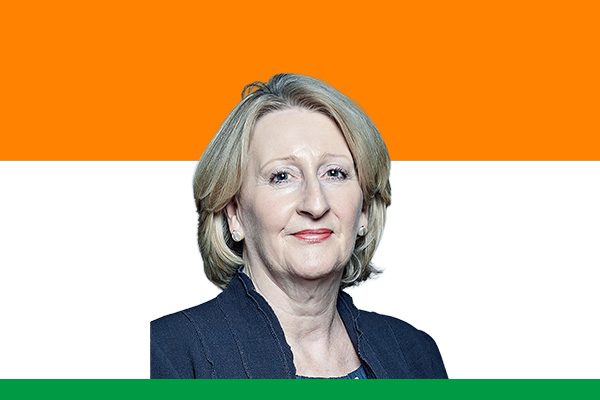
Early Life and Education
Mary Robinson was born on May 21, 1944, in Ballina, County Mayo, Ireland. She grew up in a family that valued education and public service. From an early age, she showed a strong interest in learning and social issues.
She studied law at Trinity College Dublin, where she excelled academically and became an influential student leader. Later, she continued her studies at Harvard Law School in the United States. Her legal education strengthened her understanding of justice, equality, and constitutional rights.
Legal and Political Career
Mary Robinson began her career as a lawyer and university lecturer. She became one of Ireland’s youngest law professors and gained recognition for her progressive ideas. Instead of remaining silent on social issues, she openly challenged outdated laws and discriminatory practices.
In 1969, she entered Irish politics as an independent senator. During her years in the Senate, she actively supported women’s rights, freedom of expression, and legal reforms. She campaigned for access to contraception, equal rights for women, and the protection of marginalized communities. Her bold stance often brought criticism, but she continued to fight for fairness and equality.
Presidency of Ireland
In 1990, Mary Robinson made history by becoming the first woman elected President of Ireland. Her victory symbolized change and modernization in Irish society. As president, she transformed the role from a largely ceremonial position into an active platform for social progress and international outreach.
She connected with ordinary citizens and emphasized inclusion, compassion, and national unity. Robinson frequently traveled abroad to strengthen Ireland’s global relationships and support Irish communities living overseas. She also welcomed diverse cultural and social groups to the presidential residence, making it more accessible to the public.
Her presidency focused on human dignity, peace, and equality. She actively addressed issues such as poverty, unemployment, and discrimination while encouraging Ireland to embrace a more open and progressive identity.
International Human Rights Work
After completing her presidency in 1997, Mary Robinson continued her global humanitarian efforts. She became the United Nations High Commissioner for Human Rights, where she worked to protect vulnerable communities worldwide.
She visited conflict zones, spoke against injustice, and encouraged governments to respect human rights. Rather than avoiding difficult issues, she confronted them directly and advocated for accountability and fairness. Her work earned admiration from leaders, activists, and international organizations.
Later, she focused strongly on climate justice. Robinson argued that climate change disproportionately affects poor and vulnerable populations. Through her foundation and global advocacy, she encouraged sustainable development and environmental responsibility.
Leadership Style and Achievements
Mary Robinson’s leadership style combines compassion, intelligence, and courage. She listens carefully to people’s concerns and promotes practical solutions to social problems. Her dedication to justice and equality helped reshape Ireland’s image around the world.
She received numerous awards and honors for her contributions to human rights and public service. Universities and organizations across the globe recognized her efforts to create a fairer and more inclusive society.
Legacy and Influence
Mary Robinson remains one of Ireland’s most influential public figures. She inspired women to pursue leadership roles and encouraged societies to embrace diversity and equality. Her presidency marked a turning point in Irish history and demonstrated the power of compassionate leadership.
Through her work in human rights and climate justice, she continues to influence global discussions on equality, sustainability, and social responsibility. Her legacy reflects determination, integrity, and hope for a better world.
Conclusion
Mary Robinson dedicated her life to justice, equality, and human rights. From her groundbreaking presidency in Ireland to her international humanitarian work, she consistently promoted fairness and compassion. Her achievements continue to inspire future generations of leaders and activists around the world.