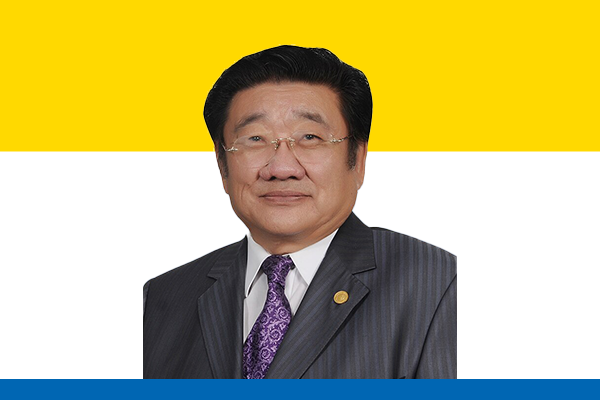
Early Life and Education
Punsalmaagiin Ochirbat was born on January 23, 1942, in Zavkhan Province, Mongolia. He grew up in a modest family, and like many Mongolians of his generation, he experienced the realities of life in a socialist system. Ochirbat pursued higher education in engineering and graduated from the Leningrad Mining Institute in the Soviet Union. His technical education helped him develop analytical and leadership skills, which later became valuable in his political career.
After completing his studies, he worked as a mining engineer and held several important positions in Mongolia’s industrial sector. His work in mining, one of Mongolia’s most important industries, helped him gain recognition as a capable administrator and leader.
Entry into Politics
Ochirbat joined politics through the Mongolian People’s Revolutionary Party (MPRP), which was the ruling party during the socialist era. He served in several government roles, including Minister of Fuel and Energy and Chairman of the State Committee for Foreign Economic Relations. These roles allowed him to gain experience in governance and economic management.
During the late 1980s and early 1990s, Mongolia experienced political changes influenced by democratic movements around the world. Citizens demanded reforms, political freedom, and economic changes. Ochirbat emerged as a moderate leader who supported peaceful transition and reform.
Presidency and Democratic Transition
In 1990, Mongolia ended one-party socialist rule and introduced democratic reforms. Ochirbat became the country’s first president under the new democratic system. In 1993, he won the presidential election, becoming the first president elected directly by the people.
As president, Ochirbat played a key role in supporting the adoption of Mongolia’s new constitution in 1992. This constitution established democracy, human rights, and separation of powers. His leadership helped ensure political stability during this sensitive period.
He also supported Mongolia’s transition to a market economy. This involved privatization of state-owned industries, encouragement of private business, and opening Mongolia to foreign investment. These reforms were difficult and sometimes caused economic hardship, but they were essential for long-term development.
Foreign Policy and International Relations
Ochirbat worked to strengthen Mongolia’s international relations. After decades of close ties with the Soviet Union, Mongolia expanded its diplomatic relations with many countries, including the United States, Japan, and European nations. His foreign policy focused on maintaining Mongolia’s independence while building economic partnerships.
He also promoted Mongolia’s image as a democratic and peaceful country. His leadership helped Mongolia gain international respect and recognition.
Challenges and Leadership Style
Ochirbat faced many challenges, including economic difficulties, inflation, unemployment, and social changes. The shift from socialism to a market economy created uncertainty for many citizens. However, he remained committed to democratic principles and peaceful reform.
He was known for his calm personality, practical approach, and willingness to work with different political groups. His leadership helped prevent political instability during a critical period.
Legacy and Later Life
Punsalmaagiin Ochirbat left office in 1997 after completing his term. After his presidency, he remained active in public life and contributed to academic and social activities. He also served in Mongolia’s Constitutional Court.
His legacy is closely connected to Mongolia’s democratic transformation. He is remembered as a leader who guided the country through one of the most important periods in its history.
Conclusion
President Punsalmaagiin Ochirbat’s leadership marked the beginning of a new democratic era in Mongolia. His role in political reform, economic transition, and international diplomacy helped shape the modern Mongolian state. Today, he is respected as a symbol of peaceful democratic change and national progress.