Mr. Ramon Magsaysay
In Office: 30 December 1953 – 17 March 1957
Political Party: Nacionalista Party
Home State: Iba
Lifespan: 1907–1957
Country: Philippines
Image credits available here.
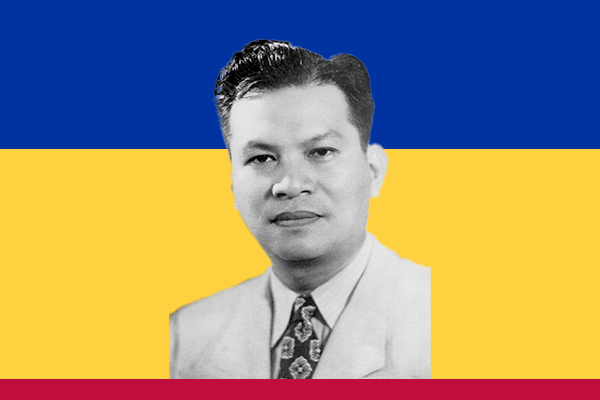
Early Life and Education
Ramon del Fierro Magsaysay was born on August 31, 1907, in Iba, Zambales, Philippines. His parents, Exequiel Magsaysay and Perfecta del Fierro, instilled in him the values of hard work and service. He completed his elementary education in Castillejos and later graduated with a degree in Mechanical Engineering from José Rizal College in 1932. Magsaysay’s early life reflected determination and a deep sense of patriotism, qualities that later defined his political career.
Early Career and World War II Service
Before entering politics, Magsaysay worked as an auto mechanic and bus company manager. His humble background helped him understand the struggles of ordinary Filipinos. When World War II broke out, he joined the guerrilla resistance against Japanese forces. He organized and led operations in Zambales, gaining the respect of both soldiers and civilians. His courage during the war marked him as a true patriot and a natural leader.
Entry into Politics
After the war, Magsaysay entered politics with the goal of rebuilding his nation. In 1946, he won a seat in the House of Representatives as part of the Liberal Party. As a congressman, he worked tirelessly to advocate for war veterans and rural development. His honesty and dedication distinguished him from other politicians.
As Secretary of National Defense
In 1950, President Elpidio Quirino appointed Magsaysay as Secretary of National Defense to address the growing communist insurgency led by the Hukbalahap movement. Magsaysay reformed the Armed Forces of the Philippines by improving discipline and efficiency. He introduced community-based programs that won the trust of the rural population. He also encouraged soldiers to treat civilians with respect, earning him the nickname “The Man of the Masses.”
Presidential Election and Victory
In 1953, Magsaysay decided to run for president under the Nacionalista Party. His campaign focused on good governance, integrity, and justice. He traveled across the country, meeting farmers, workers, and students, and listening to their concerns. His sincerity and accessibility inspired millions of Filipinos. On November 10, 1953, he won a landslide victory, becoming the seventh President of the Philippines.
Reforms and Achievements as President
As president, Magsaysay transformed Philippine politics by focusing on transparency and people-centered leadership. He opened the doors of Malacañang Palace to ordinary citizens, symbolizing his belief that government must serve the people. He launched rural development programs, built roads, schools, and irrigation systems, and provided agricultural support to farmers. He also established the Presidential Complaints and Action Committee, which allowed citizens to directly voice their grievances.
Magsaysay fought corruption relentlessly and demanded honesty from public officials. He promoted education, improved social welfare, and strengthened local governance. Under his leadership, the Philippines gained international respect for its democratic values and stability.
Relations with the United States
Magsaysay maintained strong diplomatic relations with the United States, emphasizing mutual respect and partnership. He worked closely with American officials to secure aid for national development and defense. His balanced foreign policy ensured that the Philippines remained an active and respected member of the global community.
Tragic Death and National Mourning
On March 17, 1957, tragedy struck when Magsaysay’s plane crashed on Mount Manunggal in Cebu, killing him and most of his companions. Only one passenger survived. His sudden death shocked the entire nation. Millions of Filipinos mourned their beloved leader, and his funeral drew an outpouring of grief and respect.
Legacy and Impact
President Ramon Magsaysay left an enduring legacy of honesty, humility, and service. He redefined public leadership by connecting directly with the people and ensuring their voices were heard. Filipinos remember him as the “Champion of the Common Man,” a leader who placed national interest above personal gain. His example continues to inspire future generations to lead with integrity and compassion.