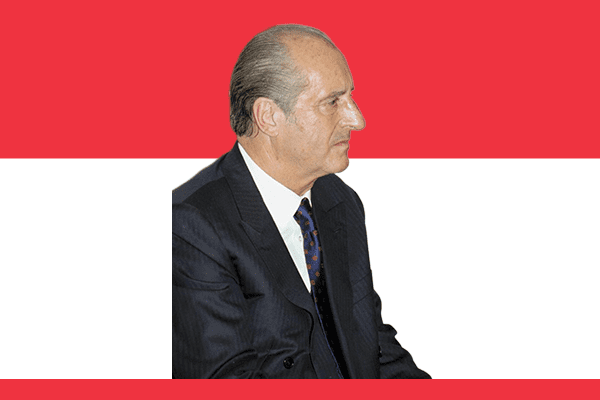
Early Life and Education
Thomas Klestil was born on November 4, 1932, in Vienna, Austria. He grew up in a modest family environment that valued education and discipline. He actively pursued higher education at the Vienna University of Economics and Business, where he studied commerce and economics. His academic background gave him a strong foundation in international trade and diplomacy.
Instead of limiting himself to academics, Klestil actively developed communication and analytical skills that later defined his diplomatic career. He entered the Austrian foreign service in 1957, marking the beginning of his long and distinguished public service.
Diplomatic Career
Klestil built a successful diplomatic career through dedication and strategic thinking. He served in various international roles, including positions in Paris and Washington, D.C. His most prominent role came when he served as Austria’s ambassador to the United States from 1982 to 1987.
During his tenure in Washington, Klestil actively strengthened Austria’s relationship with the United States. He promoted Austrian interests and improved bilateral cooperation in trade and politics. His diplomatic style combined professionalism with approachability, which earned him respect on the global stage.
Presidency (1992–2004)
Thomas Klestil became President of Austria in 1992. From the beginning of his presidency, he chose to take an active role rather than remain a symbolic figure. He worked to expand the influence of the presidency within constitutional limits.
He actively represented Austria in international affairs and promoted the country’s integration into European institutions. One of his key achievements was supporting Austria’s accession to the European Union in 1995. He strongly advocated European unity and encouraged Austria to participate actively in EU policies.
Klestil also played a role in addressing Austria’s historical responsibilities. He openly acknowledged the country’s past during World War II and supported reconciliation efforts. This approach helped improve Austria’s global image and demonstrated moral leadership.
Leadership Style and Contributions
Klestil’s leadership style reflected energy, commitment, and a willingness to innovate. He did not remain confined to ceremonial duties; instead, he actively engaged in political discussions and decision-making processes within constitutional boundaries.
He promoted dialogue between political parties and encouraged cooperation. He also supported economic development, cultural exchange, and international diplomacy. By taking initiative, he redefined the Austrian presidency as a more dynamic and influential institution.
Personal Life
Thomas Klestil married Edith Wielander in 1957, and they had three children. Later in life, he married Margot Löffler. His personal life occasionally attracted public attention, but he maintained focus on his presidential duties.
Despite personal challenges, Klestil continued to serve actively and remained committed to his role. His dedication to public service remained evident throughout his life.
Death and Legacy
Thomas Klestil passed away on July 6, 2004, just days before he was scheduled to leave office. His death marked the end of an important era in Austrian politics. Leaders and citizens remembered him as a president who transformed the role through active engagement.
His legacy lies in strengthening Austria’s international standing, promoting European integration, and modernizing the presidency. He demonstrated how a constitutional head of state could remain relevant and impactful in a modern democracy.
Conclusion
Thomas Klestil stands out as one of Austria’s most active and forward-thinking presidents. He reshaped the office by taking initiative and engaging directly with national and international issues. His contributions continue to influence Austria’s political and diplomatic landscape.