Mr. Yusof bin Ishak
In Office: 9 August 1965 – 23 November 1970
Political Party: Independent
Home State: Padang Gajah
Lifespan: 1910–1970
Country: Singapore
Image credits available here.
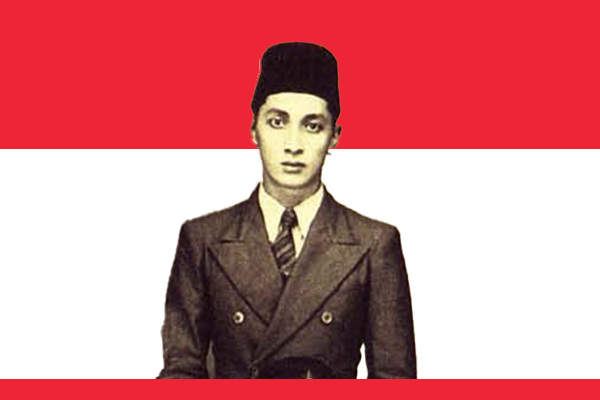
Early Life and Education
Yusof bin Ishak was born on 12 August 1910 in Perak, then part of British Malaya. He grew up in a Malay family that valued education and discipline. He pursued his studies at Raffles Institution in Singapore, one of the region’s most prestigious schools. His education exposed him to diverse cultures and ideas, shaping his inclusive worldview and preparing him for leadership in a multicultural society.
Career in Journalism
Before entering public life, Yusof bin Ishak built a respected career in journalism. He became involved with Malay-language publications and eventually served as the editor of Utusan Melayu, a leading Malay newspaper. Through journalism, he advocated for social progress, education, and the rights of ordinary people. His work reflected a commitment to fairness and responsible leadership, qualities that later defined his presidency.
Appointment as Head of State
In 1959, Singapore achieved self-government, marking a major milestone in its political journey. That same year, Yusof bin Ishak was appointed as the Yang di-Pertuan Negara, or Head of State, under the new constitution. His appointment was significant because it reassured all communities that the new government valued unity and impartiality. When Singapore became fully independent in 1965, his title changed to President of the Republic of Singapore, making him the country’s first President.
Role as President
As President, Yusof bin Ishak acted as a unifying figure above party politics. Although executive power rested with the Prime Minister and Cabinet, the President represented the nation at official functions, state ceremonies, and diplomatic events. He was widely respected for his calm demeanor, humility, and strong sense of duty. His presence reinforced confidence in the new republic during uncertain times, including Singapore’s separation from Malaysia.
Symbol of Multiracial Harmony
One of Yusof bin Ishak’s most enduring contributions was his role as a symbol of multiracial harmony. Singapore is a diverse society comprising Malay, Chinese, Indian, and other communities. As a Malay President leading a multiethnic nation, he embodied the principle that Singapore belonged to all its people equally. His leadership reinforced the national commitment to racial and religious harmony, which remains a cornerstone of Singapore’s identity today.
Legacy and National Recognition
President Yusof bin Ishak passed away on 23 November 1970 while still in office. The nation mourned deeply, recognizing the loss of a leader who had served with dignity and sincerity. In his honor, Singapore later featured his portrait on its currency notes, a rare tribute that reflects his importance in national history. Institutions and landmarks have also been named after him, ensuring that future generations remember his contributions.
Conclusion
President Yusof bin Ishak’s legacy goes beyond titles and ceremonies. He represented integrity, unity, and service at a crucial moment in Singapore’s formation. As the first President, he helped shape the moral foundations of the republic and provided a steady presence during times of change. His life and leadership continue to inspire Singaporeans and stand as a reminder of the values upon which the nation was built.