Early Life and Education
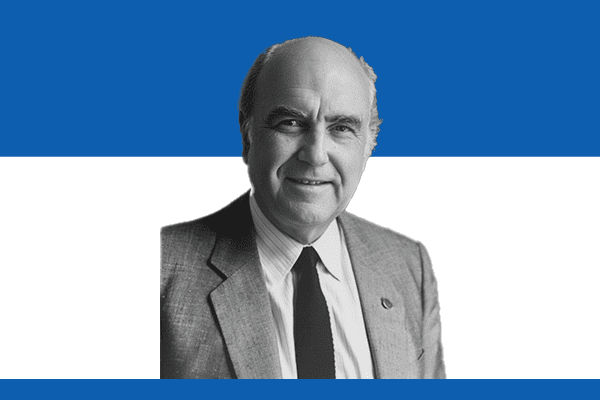
Andreas Papandreou was born on February 5, 1919, in Chios, Greece. He grew up in a politically active family, as his father, Georgios Papandreou, also served as Prime Minister. This environment exposed him to public life from an early age.
He pursued higher education in economics and studied in the United States. He attended institutions such as Harvard University, where he developed expertise in economic theory. Rather than limiting himself to academic work, he actively engaged in teaching and research, gaining recognition as a skilled economist. His academic career included teaching positions at several universities, which strengthened his analytical and leadership abilities.
Entry into Politics
Papandreou returned to Greece in the early 1960s and entered politics. He joined his father’s political movement and quickly became a prominent figure. He served as a minister and contributed to economic planning and reform.
However, political instability disrupted his early career. The military coup of 1967 forced him into exile. Instead of withdrawing from public life, he actively opposed the dictatorship from abroad. He organized resistance efforts and advocated for democracy, demonstrating his determination and resilience.
Rise to Power
After the fall of the military regime in 1974, Papandreou returned to Greece and founded the Panhellenic Socialist Movement (PASOK). He built the party into a powerful political force by appealing to workers, farmers, and the middle class. His message of national sovereignty and social reform resonated strongly with the जनता.
In 1981, he led PASOK to a historic electoral victory and became Prime Minister. He did not simply inherit power; he actively mobilized public support and transformed the political system.
Prime Ministership and Policies
As Prime Minister, Papandreou introduced wide-ranging reforms. He expanded social welfare programs, improved healthcare and education, and strengthened workers’ rights. He promoted gender equality and increased opportunities for marginalized groups.
He also redefined Greece’s foreign policy. He asserted Greece’s independence within international alliances such as NATO and the European Community. Rather than following external influence passively, he actively negotiated for Greece’s interests.
Economically, he pursued policies aimed at redistribution and public sector expansion. While these policies improved living standards for many, they also created fiscal challenges. Nevertheless, he maintained strong public support due to his charismatic leadership and clear vision.
Challenges and Controversies
Papandreou faced significant challenges during his political career. Critics questioned his economic policies and raised concerns about government spending. Political scandals also affected his reputation.
Despite these difficulties, he did not retreat from leadership. He actively defended his policies and continued to influence Greek politics. His ability to maintain support during turbulent times highlighted his political skill and resilience.
Later Years and Legacy
Papandreou served multiple terms as Prime Minister and remained a dominant figure in Greek politics until his death in 1996. His leadership transformed Greece into a more socially inclusive society.
He left a lasting legacy through PASOK and influenced future generations of leaders, including his son, George Papandreou. His impact extended beyond policies, as he reshaped political culture and encouraged active citizen participation.
Conclusion
Andreas Papandreou played a decisive role in shaping modern Greece. Through active leadership and bold reforms, he addressed social inequalities and strengthened democratic institutions. His legacy continues to influence Greek politics and society.