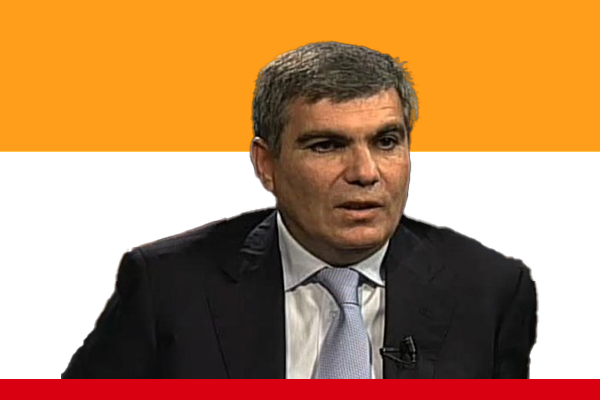
Early Life and Education
Aram Zaveni Sargsyan was born on January 2, 1961, in Ararat, Armenia, which was then part of the Soviet Union. He grew up in a patriotic and politically conscious family. He completed his higher education at the Yerevan State Institute of Physical Culture, where he trained as a sports professional. Before entering politics, he worked in sports administration and business. His early career helped him develop leadership, management, and organizational skills that later proved useful in political life.
Aram Sargsyan’s political involvement was also influenced by his brother, Vazgen Sargsyan, a national hero and prominent military and political leader. Vazgen played a key role in Armenia’s independence and defense, and his influence helped shape Aram’s political outlook.
Entry into Politics
Aram Sargsyan became actively involved in politics in the late 1990s. He joined the Republican Party of Armenia, one of the country’s major political parties. His rise in politics was rapid, largely due to his family’s political legacy and his own leadership abilities.
However, his political career took a dramatic turn on October 27, 1999, when armed attackers stormed the Armenian parliament and assassinated Prime Minister Vazgen Sargsyan, Parliament Speaker Karen Demirchyan, and several other officials. This terrorist attack shocked the nation and created a serious political crisis.
Appointment as Prime Minister
Following the assassination, President Robert Kocharyan appointed Aram Sargsyan as Prime Minister on November 3, 1999. His appointment was seen as a symbolic and stabilizing move. It was intended to honor Vazgen Sargsyan’s legacy and reassure the public during a time of grief and uncertainty.
At the time of his appointment, Aram Sargsyan faced enormous challenges. Armenia was dealing with political instability, economic difficulties, and public fear. His main responsibility was to maintain order and ensure the continuity of government.
Tenure and Policies
Although Aram Sargsyan’s tenure lasted only until May 2, 2000, he focused on preserving stability and continuing government operations. He supported democratic governance and emphasized national unity. His leadership helped prevent further political chaos during a highly sensitive period.
However, his relationship with President Robert Kocharyan became strained due to political disagreements and differences in leadership style. Eventually, he was dismissed from office and replaced by Andranik Margaryan.
Despite his short tenure, Aram Sargsyan demonstrated resilience and commitment during a national crisis. His leadership helped Armenia navigate one of the darkest chapters in its political history.
Later Political Career
After leaving office, Aram Sargsyan remained active in Armenian politics. He later founded his own political party, the Republic Party, and became an opposition leader. He advocated for democracy, transparency, and political reform.
He continued to be an influential voice in Armenian political discussions and participated in elections and public debates. His role as both a former prime minister and opposition leader made him an important figure in shaping Armenia’s democratic evolution.
Legacy and Significance
Aram Sargsyan’s legacy is closely tied to a tragic moment in Armenian history. Although his time as prime minister was brief, he played a crucial role in maintaining stability after the 1999 parliament attack. His appointment symbolized continuity, resilience, and national unity.
He is remembered as a leader who stepped forward during a time of crisis and fulfilled his duty to the nation. His later contributions to opposition politics also reflect his ongoing commitment to Armenia’s political development.