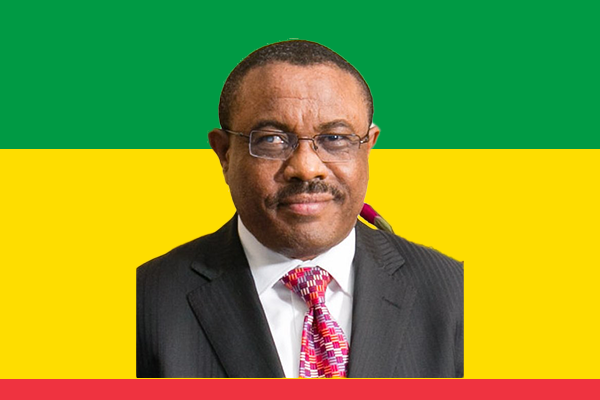
Mr. Hailemariam Desalegn
In Office: 20 August 2012 – 2 April 2018
Political Party: SEPDM
Home State: Boloso Sore
Lifespan: born 1965
Country: Ethiopia
Image credits available here.
Early Life and Education
Hailemariam Desalegn was born on July 19, 1965, in the Boloso Sore district of southern Ethiopia. He grew up in a humble family that valued education and hard work. Determined to excel, Hailemariam studied civil engineering at Addis Ababa University, where he graduated with distinction. His passion for learning and leadership later took him to Tampere University of Technology in Finland, where he earned a master’s degree in sanitation engineering. His strong educational foundation prepared him for a life dedicated to public service.
Academic and Early Career
After completing his studies, Hailemariam began his career in academia. He taught and later served as the dean of the Arba Minch Water Technology Institute. His time as an educator shaped his analytical mindset and commitment to development. He worked to improve technical education and promote research on water management, a vital issue in Ethiopia. His academic success and leadership skills soon drew the attention of regional politicians.
Entry into Politics
Hailemariam entered politics in the 1990s as Ethiopia transitioned to a federal system. He joined the Southern Ethiopian People’s Democratic Movement (SEPDM), a key member of the ruling coalition, the Ethiopian People’s Revolutionary Democratic Front (EPRDF). His organizational ability and calm leadership earned him respect among party members. By 2001, he became president of the Southern Nations, Nationalities, and Peoples’ Region (SNNPR), one of the most diverse areas in Ethiopia.
Rise to National Leadership
As regional president, Hailemariam promoted unity and development among Ethiopia’s many ethnic groups. His success in managing diversity and encouraging dialogue helped him rise to national prominence. Prime Minister Meles Zenawi recognized his talents and appointed him as Minister of Foreign Affairs and Deputy Prime Minister in 2010. In these roles, Hailemariam represented Ethiopia on the international stage and strengthened diplomatic ties with global partners.
Becoming Prime Minister
When Prime Minister Meles Zenawi passed away in 2012, Hailemariam took over as acting prime minister. Later that year, the Ethiopian Parliament confirmed him as the country’s new prime minister. He became the first leader in Ethiopia’s modern history not from the dominant Tigrayan ethnic group, symbolizing a new chapter in national politics.
Economic Growth and Development
Under Hailemariam’s leadership, Ethiopia continued its impressive economic growth. He prioritized infrastructure projects, such as roads, railways, and energy development, including the Grand Ethiopian Renaissance Dam. He encouraged industrialization and agricultural modernization to reduce poverty and boost exports. His administration worked to attract foreign investment while maintaining social welfare programs to uplift rural communities.
Political Challenges and Reforms
Despite economic success, Hailemariam faced growing political unrest. Protests erupted in the Oromia and Amhara regions, where citizens demanded greater political inclusion and justice. He responded by initiating reforms and releasing political prisoners. His goal was to promote dialogue and peaceful change. In 2018, recognizing that the country needed deeper transformation, he made the historic decision to resign. He believed his resignation would open the door for new leadership to continue Ethiopia’s reform journey.
Legacy and Leadership Style
Hailemariam Desalegn’s leadership reflected humility, discipline, and a deep sense of national responsibility. He valued consensus over confrontation and dialogue over division. His decision to step down voluntarily demonstrated his democratic principles and respect for the people’s will. After leaving office, he continued contributing to Africa’s development through regional peace and policy initiatives.
Conclusion
Prime Minister Hailemariam Desalegn played a crucial role in guiding Ethiopia through a complex period of growth and political transformation. He strengthened the foundations of democracy, supported economic progress, and encouraged dialogue across communities. His legacy endures as that of a leader who chose peace, progress, and reform over personal power.