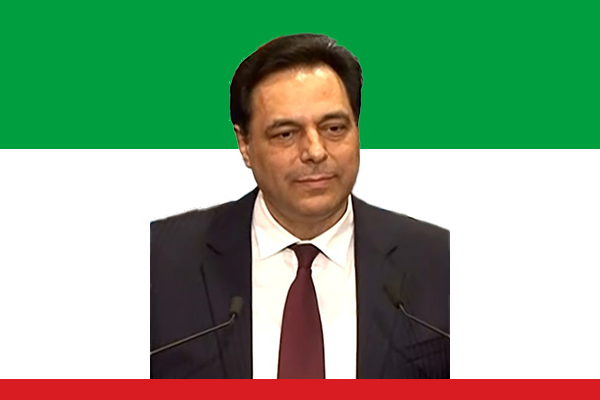
Early Life and Education
Hassan Diab was born on January 6, 1959, in Beirut, Lebanon. He pursued higher education in engineering and earned a Ph.D. in computer engineering from the University of Bath in the United Kingdom. Before entering politics, Diab built a respected academic career. He served as a professor of electrical and computer engineering at the American University of Beirut (AUB). His experience in academia gave him a reputation as a technocrat rather than a career politician.
Political Career
Hassan Diab first entered public service when he served as Lebanon’s Minister of Education and Higher Education from 2011 to 2014 in the government of Prime Minister Najib Mikati. During this period, he focused on improving educational standards and expanding access to higher education. His work in this role strengthened his image as a reform-minded administrator.
In December 2019, amid nationwide protests against corruption and economic mismanagement, Diab was designated Prime Minister after the resignation of Saad Hariri. The protests, which began in October 2019, demanded sweeping political reforms and accountability from Lebanon’s ruling elite. Diab formed a government in January 2020, presenting it as a cabinet of specialists committed to reform.
Challenges as Prime Minister
Diab assumed office during a severe financial crisis. Lebanon was facing a dramatic currency collapse, soaring inflation, and widespread unemployment. In March 2020, his government announced that Lebanon would default on its Eurobond debt payments for the first time in its history. This decision reflected the country’s inability to meet its financial obligations and highlighted the depth of the crisis.
His government attempted to introduce economic reforms and negotiate with international financial institutions, including the International Monetary Fund (IMF). However, political divisions and resistance from established power groups limited progress. Public confidence in the government remained fragile.
On August 4, 2020, a massive explosion occurred at the Port of Beirut, killing more than 200 people and causing widespread destruction across the capital. The tragedy intensified public anger and led to renewed protests. Many Lebanese citizens held the political class responsible for negligence and corruption that contributed to the disaster.
Resignation and Aftermath
Following the Beirut explosion and mounting public pressure, Hassan Diab announced his resignation on August 10, 2020. He stated that systemic corruption was greater than the state and that reform efforts were obstructed. Although he stepped down, he remained in a caretaker capacity until a new government was formed.
Diab’s tenure lasted less than a year, but it unfolded during a historic period of crisis for Lebanon. Supporters argue that he inherited deep-rooted problems and had limited political backing to implement reforms. Critics contend that his government failed to act decisively and lacked transparency.
Legacy
Hassan Diab’s time as Prime Minister reflects the broader challenges facing Lebanon’s political system. As a technocrat brought into office during unrest, he symbolized an attempt to break from traditional political leadership. However, entrenched political interests and structural economic weaknesses hindered meaningful change.
His leadership remains closely associated with Lebanon’s economic collapse and the Beirut port explosion, events that reshaped the country’s recent history. Whether viewed as a reformer constrained by circumstances or as a leader unable to deliver solutions, Diab’s role remains significant in understanding Lebanon’s ongoing struggles.