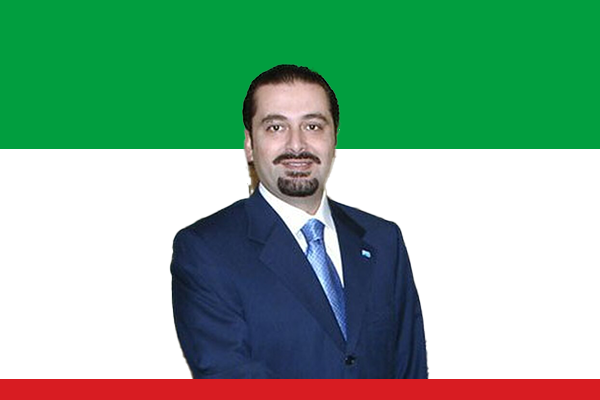
Early Life and Education
Saad Hariri was born on April 18, 1970, in Riyadh, Saudi Arabia. He is the second son of Rafic Hariri, a billionaire businessman and influential Lebanese statesman. Saad Hariri completed his education in business administration at Georgetown University in Washington, D.C. Before entering politics, he managed part of his family’s extensive business interests, particularly in Saudi Arabia, gaining experience in finance and management.
The assassination of Rafic Hariri in 2005 dramatically changed Saad Hariri’s life. Following his father’s death, he stepped into Lebanese politics to continue his father’s vision of rebuilding Lebanon and strengthening its sovereignty.
Political Rise and the Future Movement
After 2005, Saad Hariri became the leader of the Future Movement, a political party founded by his father. He played a central role in the March 14 Alliance, a coalition formed in opposition to Syrian influence in Lebanon. His leadership came at a time when Lebanon was deeply divided along political and sectarian lines.
Hariri quickly established himself as a major Sunni political figure in Lebanon. His support base largely consisted of Sunni Muslims, though he often advocated for national unity and cooperation among Lebanon’s diverse religious communities.
First Term as Prime Minister (2009–2011)
Saad Hariri first became Prime Minister in November 2009 after parliamentary elections in which his coalition secured significant support. During his first term, he focused on economic development, infrastructure improvement, and strengthening Lebanon’s international relationships.
However, his government faced major political tensions, especially with Hezbollah and its allies. Disputes over the Special Tribunal for Lebanon, which investigated his father’s assassination, created instability. In January 2011, his government collapsed when several ministers resigned, leading to his departure from office.
Second and Third Terms (2016–2020)
After years of political deadlock, Hariri returned as Prime Minister in December 2016 following a compromise that led to the election of Michel Aoun as President. This agreement was seen as an effort to restore stability after a prolonged presidential vacancy.
In November 2017, Hariri unexpectedly announced his resignation while in Saudi Arabia, citing concerns about security and political interference. The move sparked controversy and international attention. Shortly afterward, he suspended his resignation and returned to Lebanon, continuing in office.
Hariri resigned again in October 2019 amid widespread nationwide protests against corruption, economic mismanagement, and political elites. The protests reflected deep public frustration with Lebanon’s economic crisis and governance system.
Challenges and Political Legacy
Saad Hariri’s time in office coincided with some of Lebanon’s most difficult periods. The country faced economic decline, rising public debt, political polarization, and regional tensions. His governments attempted reforms, but progress was often hindered by Lebanon’s complex sectarian power-sharing system.
Supporters view Hariri as a moderate leader who sought dialogue and compromise in a deeply divided nation. Critics argue that his leadership did not deliver sufficient structural reforms to address corruption and economic instability.
In 2022, Hariri announced the suspension of his political activities and encouraged his party not to participate in parliamentary elections, marking a significant shift in Lebanese politics.
Conclusion
Saad Hariri remains a key figure in Lebanon’s contemporary political history. As a three-time Prime Minister and leader of the Future Movement, he played a major role in shaping Lebanon’s post-2005 political era. His career reflects both the promise and the challenges of governance in a country marked by diversity, external influence, and ongoing political change.