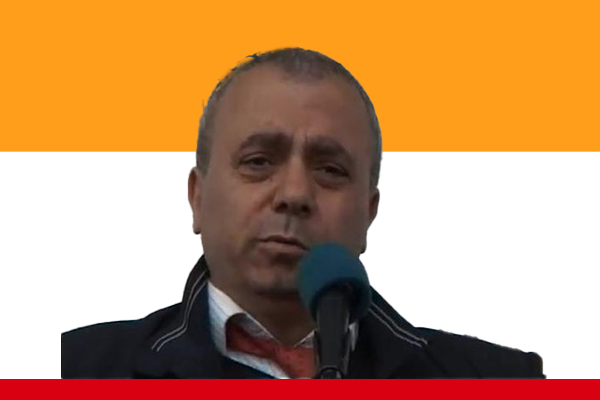
Early Life and Education
Hrant Bagratyan was born on October 18, 1958, in Yerevan, the capital city of Armenia. He studied economics at the Yerevan Institute of National Economy, where he developed strong expertise in economic planning and finance. Later, he became a professor and earned a doctoral degree in economics. His academic background played a vital role in shaping his policies when he entered government service.
Before becoming Prime Minister, Bagratyan worked in several economic institutions and gained recognition as a skilled economist. His knowledge became especially valuable when Armenia gained independence in 1991 and needed experts to rebuild its economy.
Appointment as Prime Minister
Bagratyan became Prime Minister in November 1993 under President Levon Ter‑Petrosyan. At that time, Armenia was facing extremely difficult conditions. The country was suffering from the effects of the collapse of the Soviet Union, the Nagorno-Karabakh war, energy shortages, and economic blockade.
Factories were closed, inflation was very high, and people faced unemployment and poverty. Armenia’s economy had shrunk dramatically, and urgent reforms were needed.
Economic Reforms and Achievements
Hrant Bagratyan is best remembered for his economic reform program. One of his most important decisions was the introduction of the Armenian national currency, the Armenian dram, in 1993. This helped Armenia gain financial independence and control inflation.
He also implemented market-oriented reforms, including:
Privatization of state-owned enterprises
Liberalization of prices
Encouraging private businesses
Reforming the tax system
These reforms were difficult and sometimes unpopular, but they helped stabilize the economy.
Under his leadership, Armenia began cooperating with international organizations such as the International Monetary Fund and the World Bank. These partnerships provided financial support and technical assistance.
By 1995, Armenia’s economic decline had stopped, and the country began to experience economic growth. Inflation was reduced, and economic stability gradually improved.
Challenges and Criticism
Despite his achievements, Bagratyan faced criticism. Many people suffered during the early reform period due to rising prices and job losses. The transition from a planned economy to a market economy was painful.
In addition, Armenia continued to face political tensions and social difficulties. Some critics argued that reforms were too fast, while others believed they were necessary.
Nevertheless, Bagratyan remained committed to economic transformation.
Later Political Career
Bagratyan resigned as Prime Minister in 1996. However, he remained active in Armenian politics. He later became a member of the National Assembly of Armenia and continued to express his views on economic and political issues.
He also returned to academic work and continued writing about economics and public policy.
In 2013, he even ran as a presidential candidate, showing his continued involvement in Armenia’s national life.
Legacy and Importance
Hrant Bagratyan’s legacy is strongly connected with Armenia’s economic independence. He played a key role in transforming Armenia from a Soviet-style economy into a modern market-based system.
His leadership helped:
Stabilize Armenia’s economy
Introduce national currency
Encourage private sector development
Establish international economic relations
Today, he is remembered as one of Armenia’s most important reformist Prime Ministers.
Conclusion
Hrant Bagratyan served Armenia during one of the most difficult periods in its history. His economic knowledge, reform policies, and leadership helped the country survive a severe crisis and move toward stability and growth.