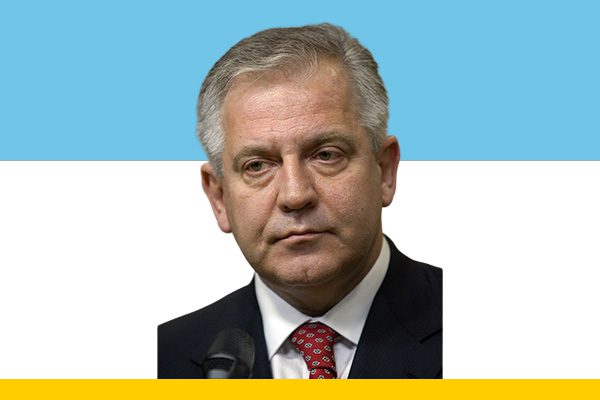
Early Life and Education
Ivo Sanader was born on June 8, 1953, in Split, Croatia, which was then part of Yugoslavia. He spent much of his childhood in Austria, where his family moved for work opportunities. Living in different countries helped him learn several languages, including German and English. His international exposure later helped him communicate effectively with European leaders.
Sanader studied literature and languages at the University of Innsbruck in Austria. He earned a strong educational background and developed an interest in politics and public affairs. Before entering politics, he worked in publishing and cultural organizations. His communication skills and confidence helped him rise quickly in public life.
Political Career
Sanader joined the Croatian Democratic Union (HDZ), one of Croatia’s major political parties. During the 1990s, Croatia experienced political and social changes after gaining independence from Yugoslavia. Sanader became an influential member of the HDZ and gained support within the party.
In 2000, he became the leader of the HDZ. Under his leadership, the party adopted a more moderate and pro-European approach. He wanted Croatia to improve its image internationally and strengthen democratic values.
In 2003, the HDZ won the parliamentary elections, and Sanader became the Prime Minister of Croatia. As Prime Minister, he focused on economic development, political stability, and European integration. He worked to improve relations with neighboring countries and encouraged cooperation with international organizations.
Achievements as Prime Minister
One of Sanader’s biggest achievements involved moving Croatia closer to membership in the European Union. His government introduced reforms that aligned Croatia with European standards. He also supported cooperation with the International Criminal Tribunal for the former Yugoslavia, which improved Croatia’s international reputation.
Sanader encouraged foreign investment and infrastructure development. During his leadership, Croatia experienced economic growth and increased tourism. Many people appreciated his diplomatic skills and modern political vision.
He also strengthened Croatia’s position in international politics. European leaders often praised his efforts to modernize the country and support democratic reforms.
Resignation and Controversies
In 2009, Sanader suddenly resigned from the position of Prime Minister and left active politics. His unexpected decision shocked the public and political experts. Soon after his resignation, authorities began investigating several corruption cases connected to his government.
Croatian courts accused him of accepting bribes and abusing his political power for personal gain. Investigators claimed that he received illegal payments from companies and misused government authority. These allegations damaged his reputation and changed public opinion about him.
Sanader faced several trials and received prison sentences in different corruption cases. Some court decisions were later revised, but the controversies continued for many years. His legal battles became one of the largest political scandals in Croatian history.
Legacy and Impact
The legacy of Ivo Sanader remains complex. Supporters remember his role in bringing Croatia closer to the European Union and improving international relations. They believe he modernized Croatian politics and strengthened the country’s global image.
Critics, however, focus on the corruption scandals that surrounded his administration. Many people see his downfall as a warning about political corruption and misuse of power.
Despite the controversies, Sanader remains an important figure in Croatian history. His political career demonstrates both the opportunities and challenges of leadership in a modern democratic nation.
Conclusion
Ivo Sanader had a significant influence on Croatia’s political development. He led the country during an important period of European integration and economic growth. At the same time, corruption allegations overshadowed many of his achievements. His story continues to attract attention because it highlights the importance of honesty, accountability, and responsible leadership in politics.