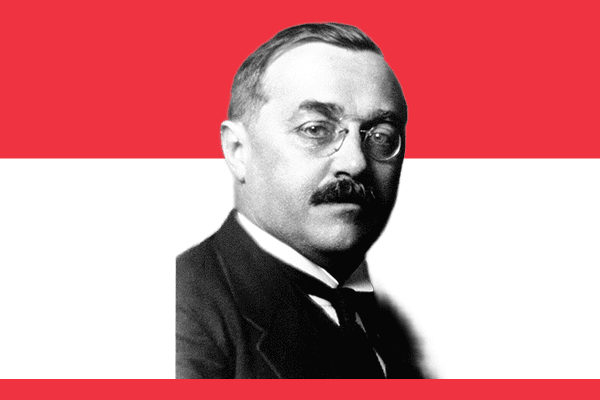
Early Life and Education
Karl Buresch was born on October 12, 1878, in Groß-Enzersdorf, Austria–Hungary. He grew up in a disciplined environment that encouraged education and civic responsibility. From a young age, he displayed strong academic abilities and an interest in law and governance.
He studied law at the University of Vienna and earned a doctorate in jurisprudence. His education gave him a deep understanding of legal systems and public administration. After completing his studies, he entered the civil service and began building a reputation as a capable and hardworking official.
Political Career
Karl Buresch joined the Christian Social Party, one of Austria’s major political groups during that era. He quickly rose through the ranks because of his intelligence, organizational abilities, and commitment to national development. Instead of remaining in minor political roles, he actively participated in shaping government policies and administrative reforms.
Buresch served in several important positions throughout his political career. He became Governor of Lower Austria, where he focused on improving regional administration and supporting economic growth. His leadership skills and practical approach earned him respect among colleagues and citizens alike.
Chancellor of Austria
In 1931, Karl Buresch became Chancellor of Austria during a period of severe economic and political crisis. The Great Depression had affected Austria deeply, causing unemployment, financial instability, and public dissatisfaction. As chancellor, Buresch worked actively to stabilize the country’s economy and strengthen government institutions.
He cooperated with financial experts and political leaders to address banking problems and restore confidence in Austria’s economy. Instead of avoiding difficult decisions, he introduced measures aimed at reducing economic pressure and maintaining political order.
Buresch also worked to improve Austria’s international relations. He recognized the importance of diplomacy and sought support from other European nations during the economic crisis. His government focused on preserving Austrian independence and stability in a rapidly changing political environment.
Leadership Style and Contributions
Karl Buresch demonstrated a practical and disciplined leadership style. He valued organization, efficiency, and responsibility in government administration. Rather than relying on dramatic political rhetoric, he concentrated on solving problems through careful planning and cooperation.
He supported infrastructure development, administrative reforms, and economic recovery programs. His efforts helped strengthen public institutions during difficult times. Although Austria continued to face political tensions, Buresch’s leadership provided a measure of stability and continuity.
He also encouraged cooperation among political groups whenever possible. Through negotiation and diplomacy, he attempted to reduce conflict and maintain unity within the government.
Later Career and Death
After serving as chancellor, Karl Buresch continued contributing to Austrian public life. He later became the governor of the Austrian National Bank, where he focused on financial management and economic stability. His experience in government and economics made him an important figure in Austrian administration.
Unfortunately, his life ended tragically in 1936. Despite his untimely death, many people remembered him as a dedicated public servant who worked tirelessly for Austria during one of its most difficult periods.
Legacy
Karl Buresch left a lasting impact on Austrian politics and governance. Historians recognize him as a capable administrator and responsible leader who guided Austria through economic uncertainty. His commitment to stability, public service, and national development shaped his reputation as an effective statesman.
Although he governed during a turbulent era, he consistently demonstrated professionalism and determination. His work in both political leadership and financial administration contributed to Austria’s institutional strength.
Conclusion
Karl Buresch played an important role in Austria’s political history. Through active leadership, economic reforms, and dedication to public service, he helped the country face serious challenges during the early twentieth century. His contributions continue to hold historical significance, and his legacy remains an important part of Austria’s political heritage.