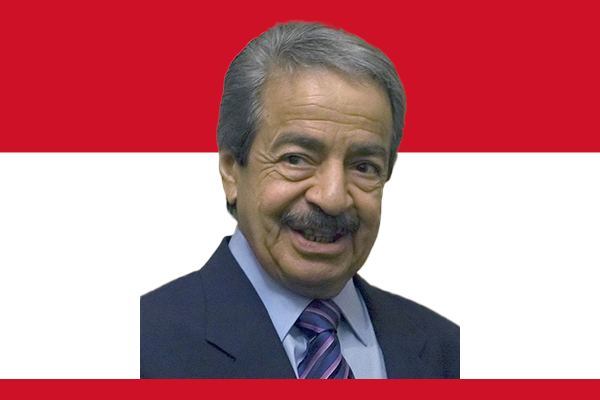
Born on November 24, 1935, in Manama, Khalifa bin Salman was the uncle of King Hamad bin Isa Al Khalifa. He was appointed Prime Minister in 1970 by the then Emir Isa bin Salman Al Khalifa, a year before Bahrain gained independence from the United Kingdom in 1971. His early leadership coincided with a critical period when the country was establishing its sovereignty, building institutions, and defining its national identity.
During his tenure, Khalifa bin Salman focused heavily on economic development. Recognizing the limitations of relying solely on oil revenues, he supported diversification efforts aimed at strengthening sectors such as banking, finance, tourism, and real estate. Under his guidance, Bahrain developed into a regional financial hub in the Gulf. The government invested in infrastructure projects, including roads, housing developments, and industrial zones, which contributed to urban expansion and improved public services.
Khalifa bin Salman was known for his pragmatic administrative style. He chaired weekly cabinet meetings and maintained a strong presence in the executive branch, often being described as the engine of government operations. His long-standing leadership ensured policy continuity, which supporters argue contributed to economic stability and investor confidence. At the same time, his extended tenure also meant that he was closely associated with the country’s political challenges.
The political landscape of Bahrain underwent significant changes during his time in office. In the early 1970s, Bahrain experimented with parliamentary life, but the National Assembly was dissolved in 1975. For many years afterward, governance remained centralized. In 2002, following reforms introduced by King Hamad bin Isa Al Khalifa, Bahrain adopted a new constitution and re-established a bicameral legislature. Throughout these changes, Khalifa bin Salman retained his role as Prime Minister, highlighting his enduring influence within the ruling system.
His tenure also coincided with periods of political unrest, most notably during the events of 2011 amid the wider Arab uprisings. Protests calling for political reforms and greater representation took place in Bahrain, leading to internal tensions and regional attention. As head of government, Khalifa bin Salman was seen as a key decision-maker during this period. Supporters viewed his actions as necessary to maintain order and stability, while critics argued that deeper reforms were needed to address underlying grievances.
In foreign policy matters, Khalifa bin Salman supported close relations with Gulf Cooperation Council (GCC) states and Western allies. Bahrain maintained strategic ties with countries such as the United States and Saudi Arabia, positioning itself as an important partner in regional security and economic cooperation.
Despite debates surrounding his political legacy, there is little doubt that Khalifa bin Salman Al Khalifa left a lasting imprint on Bahrain’s modern history. His leadership spanned generations, from the early days of independence to the complexities of the 21st century. When he passed away on November 11, 2020, tributes highlighted his decades of public service and his role in building state institutions. His long tenure remains a defining chapter in Bahrain’s governance and development.