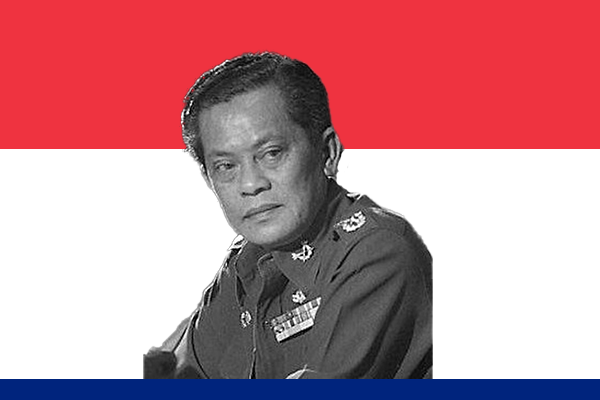
Early Life and Military Career
Kriangsak Chamanan was born in 1917 in Thailand. He chose a military career early in life and received professional training that shaped his disciplined and strategic mindset. Over the years, he rose steadily through the ranks of the Royal Thai Army. His experience as a military officer helped him develop leadership skills and a deep understanding of national security. Unlike many military leaders of his era, Kriangsak later emphasized compromise and diplomacy rather than strict authoritarian control.
Rise to Political Leadership
After years of political turmoil in Thailand, Kriangsak emerged as a unifying figure. In 1977, he led a bloodless coup that removed the existing government, promising political stability and reform. Soon after, he assumed the role of Prime Minister. Instead of ruling through fear, Kriangsak actively sought legitimacy by encouraging dialogue, easing political restrictions, and preparing the nation for democratic elections.
Domestic Policies and Governance
As Prime Minister, Kriangsak focused on national reconciliation. He lifted strict censorship laws and allowed greater political freedom. His government encouraged public debate and reduced the influence of hardline military factions. Kriangsak also addressed economic challenges by promoting development programs and managing inflation during a difficult global economic period.
He actively supported the drafting of a new constitution, which aimed to restore parliamentary democracy. In 1979, Thailand held general elections, marking a major step toward civilian rule. Although challenges remained, Kriangsak demonstrated a commitment to democratic principles through action rather than rhetoric.
Foreign Policy and Diplomacy
Kriangsak Chamanan strengthened Thailand’s international standing through active diplomacy. He improved relations with neighboring countries, including Cambodia, Laos, and Vietnam, at a time when Cold War tensions affected Southeast Asia. Most notably, he established diplomatic relations with the People’s Republic of China in 1975 during his earlier government role and reinforced them during his premiership.
He balanced relations between major global powers such as the United States, China, and the Soviet Union. By maintaining neutrality and cooperation, Kriangsak protected Thailand’s sovereignty and enhanced its regional influence.
Resignation and Later Life
Despite his achievements, economic pressures and rising public dissatisfaction weakened Kriangsak’s position. In 1980, he chose to resign peacefully rather than cling to power. His decision reflected his respect for democratic values and political stability. After leaving office, he largely withdrew from active politics and lived a quiet life until his death in 2003.
Legacy and Historical Significance
Prime Minister Kriangsak Chamanan remains remembered as a transitional leader who guided Thailand away from rigid military rule toward a more open political system. He used active leadership, diplomacy, and restraint to stabilize the nation during a sensitive period. His willingness to step down voluntarily set a positive example in Thai political history. Kriangsak’s legacy continues to symbolize moderation, national reconciliation, and responsible governance in Thailand’s journey toward democracy.