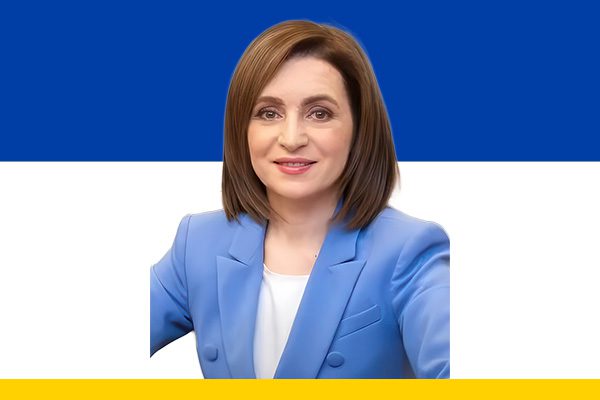
Early Life and Education
Maia Sandu was born on May 24, 1972, in the village of Risipeni, Moldova. She grew up in a family that valued education and hard work. During her school years, she demonstrated strong academic abilities and a desire to learn. She later attended the Academy of Economic Studies of Moldova, where she studied economics.
To expand her knowledge and skills, Sandu continued her education abroad. She earned a master’s degree in public policy from the Harvard Kennedy School in the United States. Her education provided her with valuable insights into economics, governance, and public administration.
Professional Career
Before entering politics, Maia Sandu worked in various professional roles. She served in the public sector and gained experience in economic development and policy planning. She also worked for the World Bank, where she contributed to development projects and economic initiatives.
These experiences helped her understand the challenges facing Moldova and prepared her for leadership roles in government. Her background in economics and public policy became a strong foundation for her future political career.
Political Journey
Maia Sandu entered politics with a clear goal: to fight corruption and improve government accountability. In 2012, she became Moldova’s Minister of Education. During her time in office, she introduced reforms that improved educational standards and reduced corruption in the examination system.
In 2015, she founded the Party of Action and Solidarity, commonly known as PAS. The party focused on reform, transparency, and European integration. Sandu quickly became one of the leading voices for political change in Moldova.
In 2019, she briefly served as Prime Minister of Moldova. Although her government lasted only a few months, she continued to advocate for democratic reforms and institutional integrity.
Presidency and Leadership
In 2020, Maia Sandu won the presidential election and became the first woman elected President of Moldova. Her victory represented a significant moment in the country’s political history. She campaigned on promises to combat corruption, strengthen democratic institutions, and improve living standards.
As President, Sandu has promoted judicial reforms, encouraged economic development, and supported closer cooperation with European partners. She has consistently emphasized the importance of the rule of law and transparent governance. Her administration has worked to increase public trust in government institutions and create opportunities for future generations.
International Role
Maia Sandu has strengthened Moldova’s relationships with European countries and international organizations. She has advocated for regional stability, democratic values, and international cooperation. Her diplomatic efforts have increased Moldova’s visibility on the global stage and attracted support for national development projects.
Many international leaders have praised her commitment to democratic principles and reform-oriented policies. Her leadership has helped Moldova pursue greater integration with European institutions.
Conclusion
Maia Sandu’s journey from a small village in Moldova to the presidency demonstrates the power of education, determination, and public service. Through her leadership, she has promoted reform, transparency, and democratic values. Her efforts continue to shape Moldova’s future and inspire people who believe in honest and effective governance. As one of the most prominent leaders in Eastern Europe, Maia Sandu remains an important figure in Moldova’s ongoing development and modernization.