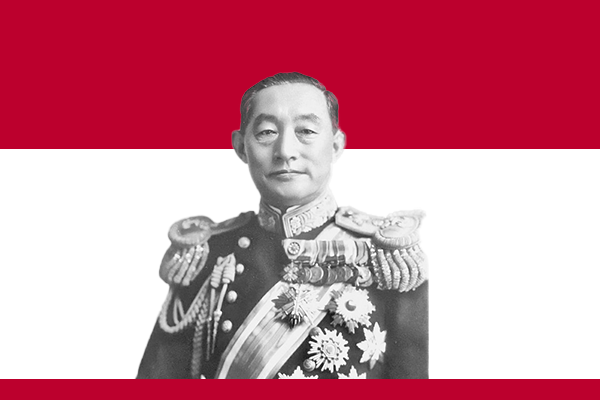
Early Life and Naval Career
Yonai embraced a disciplined lifestyle from an early age. After graduating from the Imperial Japanese Naval Academy, he served in several important positions in the Imperial Japanese Navy. His strategic mind and leadership skills earned him rapid promotions. Eventually, he became Minister of the Navy, where he focused on modernizing Japan’s naval forces.
Rise to Political Leadership
When Japan faced growing international tensions, Yonai assumed the position of Prime Minister on January 16, 1940. He advocated for cautious diplomacy instead of aggressive military expansion. As Prime Minister, he opposed joining the Axis Powers led by Germany and Italy, fearing it would draw Japan into a broader conflict.
Foreign Policy Approach
Yonai actively sought to maintain peace with Western powers. He believed diplomacy could prevent Japan from entering a destructive war. His cabinet faced pressure from militarists demanding stronger alliances with Axis nations. However, Yonai continued promoting moderation and warned against provoking the United States and Britain.
Challenges During Tenure
Despite his efforts, Yonai struggled to maintain unity within the government. Military factions increasingly influenced national policy, demanding aggressive expansion in Asia. His resistance to a full alliance with Germany and Italy angered hardline leaders. Eventually, growing political and military pressure forced him to resign on July 22, 1940.
Later Role During World War II
After leaving office, Yonai continued serving Japan in other capacities. In 1945, during the final stages of World War II, he became Minister of the Navy again under Prime Minister Kantarō Suzuki. He played a crucial role in preparing Japan for surrender, recognizing the need to end the war to prevent further destruction.
Contribution to Japan’s Surrender
Yonai actively supported peace negotiations after the atomic bombings of Hiroshima and Nagasaki. He understood Japan could not withstand further devastation. By encouraging Emperor Hirohito and the government to accept surrender terms, Yonai helped Japan transition toward peace and reconstruction.
Legacy and Death
Mitsumasa Yonai passed away on April 20, 1948. Historians remember him as a moderate leader who valued diplomacy over aggression. His leadership during critical moments showed his commitment to Japan’s future and his realistic approach to global politics.
Conclusion
Mitsumasa Yonai’s tenure as Prime Minister reflected a struggle between diplomacy and militarism in pre-World War II Japan. He consistently advocated for peaceful solutions, even when militarists dominated the political scene. His legacy as a moderate leader highlights his significant role in shaping Japan’s path during a turbulent era.