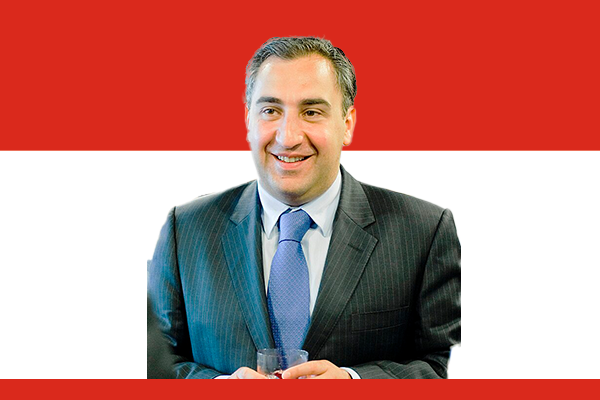
Early Life and Education
Nika Gilauri was born on July 14, 1975, in Tbilisi, the capital of Georgia. From a young age, he showed strong academic ability and interest in economics and public policy. He pursued higher education abroad, studying business administration and economics. Gilauri attended Dublin Business School in Ireland, where he earned a degree in business administration. He later continued his education at Temple University in the United States, gaining valuable international exposure and economic knowledge.
His educational background helped him develop a modern understanding of economic systems, which later influenced his reform policies in Georgia.
Early Political Career
Gilauri began his political career in the early 2000s, during a period when Georgia was undergoing major political and economic transformation. After the Rose Revolution in 2003, new leadership focused on fighting corruption, improving governance, and modernizing the country.
Gilauri held several important government positions. In 2004, he was appointed as Minister of Energy. In this role, he worked to improve Georgia’s energy security and reduce electricity shortages. His efforts helped stabilize the country’s energy supply, which was essential for economic growth.
Later, he served as Minister of Finance from 2007 to 2009. As Finance Minister, Gilauri focused on improving tax collection, managing public finances, and maintaining economic stability despite global economic challenges.
Appointment as Prime Minister
In February 2009, President Mikheil Saakashvili appointed Nika Gilauri as Prime Minister. His appointment came at a difficult time, as Georgia was recovering from the 2008 war with Russia and facing the effects of the global financial crisis.
As Prime Minister, Gilauri’s main goal was to strengthen the economy and restore investor confidence. He implemented policies to promote economic growth, attract foreign investment, and create jobs.
Economic Reforms and Achievements
One of Gilauri’s major achievements was maintaining economic stability during a challenging period. He focused on reducing government spending, improving efficiency, and encouraging private sector development.
His government continued reforms to make Georgia one of the easiest places in the world to do business. These reforms included simplifying taxes, reducing bureaucracy, and supporting entrepreneurship.
Under his leadership, Georgia experienced economic recovery and growth. Foreign investment increased, and international organizations recognized Georgia’s progress in economic reform.
Gilauri also worked to improve infrastructure, including roads, energy systems, and public services, which contributed to long-term development.
Leadership Style and Resignation
Nika Gilauri was known for his professional and technocratic leadership style. He focused more on economic management than political conflict. His expertise in finance and economics made him an effective leader during a period of recovery.
In June 2012, Gilauri resigned from his position as Prime Minister. His resignation was part of political changes before parliamentary elections. He was succeeded by Vano Merabishvili.
Life After Prime Ministership
After leaving office, Gilauri moved into the private sector. He became involved in business and investment activities. He also founded Reformatics, a consulting firm that helps governments implement economic reforms.
His post-government work reflects his continued interest in economic development and reform.
Legacy and Importance
Nika Gilauri is remembered as a key figure in Georgia’s modern economic development. His leadership helped stabilize the country during a difficult period and supported its transition toward a stronger and more modern economy.