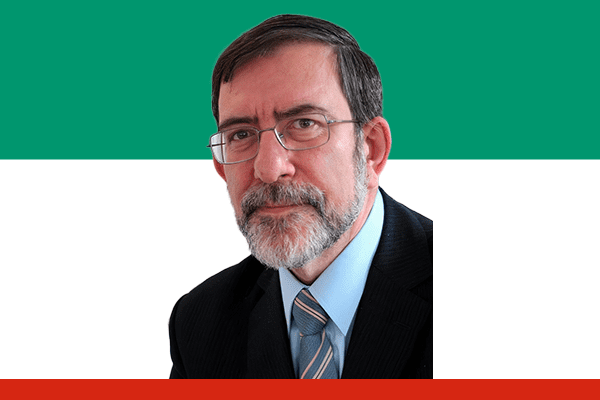
Early Life and Education
Philip Dimitrov was born on March 31, 1955, in Sofia, Bulgaria. He grew up during the communist era, a time when the Bulgarian government tightly controlled political and social life. Despite these limitations, Dimitrov developed a strong interest in law, politics, and public service.
He studied law at Sofia University and built a successful legal career. His education strengthened his analytical thinking and understanding of justice, which later shaped his political ideology. During the late 1980s, Bulgaria experienced growing political unrest and demands for democratic reform. Dimitrov joined reform-minded groups that challenged communist rule and advocated political freedom.
Rise in Politics
After the collapse of communist influence in Eastern Europe, Philip Dimitrov emerged as an important democratic leader in Bulgaria. He became a member of the Union of Democratic Forces (UDF), a coalition that united opposition groups against the communist government.
Dimitrov quickly gained public attention because of his strong speeches, reformist vision, and commitment to democracy. In 1991, the UDF won parliamentary elections, and Philip Dimitrov became Prime Minister of Bulgaria at the age of 36. His appointment marked a significant turning point in Bulgarian politics because the country sought democratic stability and economic recovery.
Leadership as Prime Minister
As Prime Minister, Philip Dimitrov introduced major reforms that transformed Bulgaria’s political and economic systems. He actively worked to reduce communist influence in government institutions and encouraged democratic governance. His administration promoted freedom of speech, independent media, and political pluralism.
Dimitrov also focused on economic reform. He supported privatization, market competition, and international investment to strengthen Bulgaria’s economy. Instead of maintaining centralized control, his government encouraged private enterprise and economic liberalization.
In foreign policy, Dimitrov aimed to strengthen Bulgaria’s relationship with Western Europe and the United States. He supported integration with European institutions and promoted cooperation with NATO. His diplomatic approach helped Bulgaria improve its international reputation after decades of communist isolation.
Challenges and Political Struggles
Although Dimitrov introduced important reforms, his government faced significant challenges. Bulgaria struggled with economic instability, unemployment, and social dissatisfaction during the transition period. Many citizens found the reforms difficult because they disrupted old economic structures.
Political opposition also weakened his administration. Rival parties criticized his policies and questioned the speed of reforms. In 1992, his government lost a vote of confidence in parliament, which forced him to resign as Prime Minister after only one year in office.
Despite his short tenure, Dimitrov’s leadership laid the foundation for democratic development in Bulgaria. His reforms encouraged long-term political modernization and integration with European institutions.
Diplomatic and International Career
After leaving the prime minister’s office, Philip Dimitrov continued serving Bulgaria in various important roles. He worked as Bulgaria’s ambassador to the United States and represented the country in international organizations. Through diplomacy, he strengthened Bulgaria’s global partnerships and promoted democratic cooperation.
Dimitrov also worked with international institutions focused on democracy, governance, and human rights. His expertise in law and politics made him a respected figure in European and international affairs.
Legacy and Importance
Philip Dimitrov remains an influential figure in Bulgarian history because he guided the country during a difficult transition from communism to democracy. His leadership promoted political freedom, economic reform, and international cooperation.
Although his government lasted for a short period, he actively shaped Bulgaria’s democratic future. Many historians recognize him as one of the leaders who helped modernize Bulgaria and align it with European democratic standards.
Conclusion
Philip Dimitrov contributed significantly to Bulgaria’s democratic transformation. Through active leadership, reform policies, and diplomatic efforts, he helped the country move toward political freedom and economic modernization. His legacy continues to influence Bulgarian politics and democratic development today.