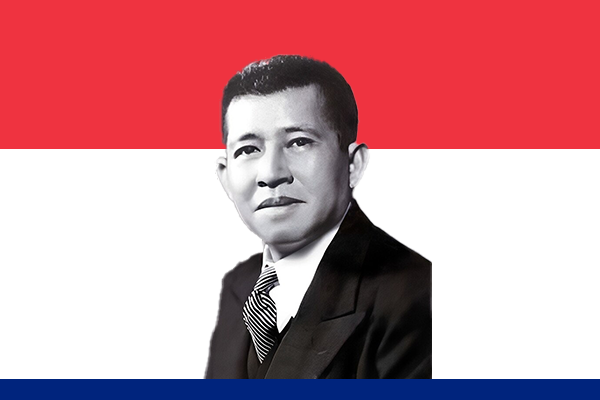
Early Life and Education
Pridi Banomyong was born in 1900 in Ayutthaya, Thailand, into a family of modest means. From an early age, he demonstrated exceptional academic ability and a strong sense of justice. He actively pursued education as a tool for national progress. After completing his studies in Thailand, Pridi traveled to France, where he studied law and political science. Exposure to European democratic ideas deeply shaped his worldview. He returned to Thailand with a firm belief that constitutional governance could modernize the nation and protect citizens’ rights.
Role in the 1932 Revolution
Pridi Banomyong played a central role in the Siamese Revolution of 1932, which ended absolute monarchy and established constitutional rule. Along with other reform-minded leaders, he actively planned and executed political change through peaceful yet determined action. He drafted key legal and constitutional documents that laid the foundation for Thailand’s new political order. His intellectual leadership ensured that the revolution emphasized law, institutions, and civilian participation rather than pure military dominance.
Political Vision and Reforms
As a statesman, Pridi actively promoted social justice, economic reform, and national development. He proposed ambitious economic plans aimed at reducing inequality and strengthening the welfare of ordinary citizens. Although some of his ideas faced opposition from conservative elites, Pridi consistently defended the principle that the state should serve the people. He also contributed significantly to the development of Thailand’s legal system and higher education, helping establish institutions that trained future leaders.
Prime Ministership of Pridi Banomyong
Pridi Banomyong served as Prime Minister of Thailand in 1946 during a period of political uncertainty following World War II. In office, he actively worked to restore democracy and stabilize the nation after years of authoritarian rule. He supported constitutional governance and sought reconciliation among political factions. However, his tenure remained short due to intense political pressure, ideological divisions, and the aftermath of the sudden death of King Ananda Mahidol, which destabilized the government.
Role During World War II
During World War II, Pridi Banomyong emerged as a key leader of the Free Thai Movement. He actively resisted foreign domination and worked covertly to protect Thailand’s sovereignty. By coordinating with Allied powers, he helped prevent Thailand from facing severe postwar punishment. His leadership during this period preserved national dignity and demonstrated his commitment to independence and self-determination.
Exile and Later Life
Following political turmoil and military coups, Pridi Banomyong went into exile. Despite living abroad, he continued to write, teach, and reflect on Thailand’s political future. He actively defended democratic ideals and criticized authoritarianism throughout his later years. Though separated from his homeland, he never abandoned his commitment to Thailand’s progress and moral integrity.
Legacy and Historical Significance
Pridi Banomyong left a lasting legacy as a principled leader, intellectual reformer, and advocate of democracy. He actively shaped Thailand’s transition from absolute monarchy to constitutional rule and inspired generations of reformers. Today, historians recognize him as a visionary who placed national interest, justice, and democracy above personal power. His life remains a powerful example of leadership grounded in ideas, courage, and ethical responsibility.