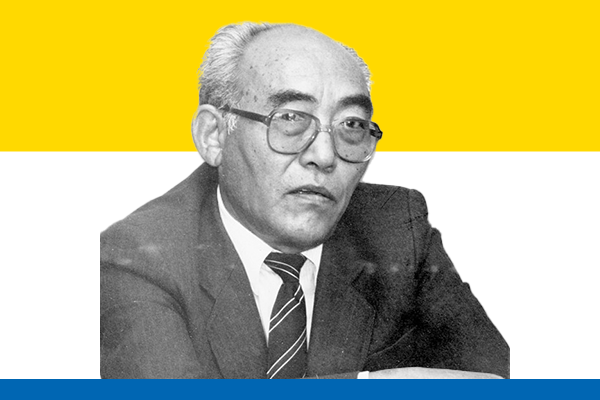
Early Life and Education
Puntsagiin Jasrai was born on November 26, 1933, in Govi-Altai Province, Mongolia. He grew up in a traditional Mongolian family during a period when the country was strongly influenced by socialist ideology. From a young age, he showed interest in education and public service. He pursued higher education in agriculture, which later became an important part of his professional career.
His educational background helped him understand Mongolia’s rural economy, which was heavily dependent on livestock and agriculture. This knowledge later influenced his policies when he became a national leader.
Early Political Career
Jasrai began his career as an agricultural specialist and government official. He worked in various agricultural and administrative positions, gaining valuable experience in managing resources and government programs. He later joined the Mongolian People’s Revolutionary Party, which was the main political party during Mongolia’s socialist period.
Through his dedication and leadership abilities, he rose through the ranks and became a respected political figure. He was known for his practical approach and understanding of Mongolia’s economic challenges.
Role as Prime Minister
In 1992, Puntsagiin Jasrai was appointed Prime Minister under President Punsalmaagiin Ochirbat. This was a difficult time for Mongolia. The country had recently ended its socialist system and was facing economic crisis, inflation, unemployment, and shortage of goods.
As Prime Minister, Jasrai worked to stabilize the economy and support Mongolia’s transition to a market economy. He introduced economic reforms, encouraged private business, and worked with international organizations to receive financial support.
His government also focused on improving infrastructure, agriculture, and public services. Even though the transition was difficult and many people faced hardships, his leadership helped Mongolia move forward toward democracy and economic independence.
Challenges and Leadership
Jasrai’s time in office was marked by many challenges. Mongolia lost financial support from the Soviet Union after its collapse, which caused economic difficulties. Many state-owned industries were closed or privatized, and unemployment increased.
Despite these problems, Jasrai remained committed to reform. He believed that democracy and economic freedom were necessary for Mongolia’s future. His leadership helped create the foundation for Mongolia’s modern political and economic system.
Later Life and Legacy
After serving as Prime Minister until 1996, Jasrai retired from major political leadership. He remained respected for his contributions to Mongolia’s development. He passed away on October 25, 2007.
Today, Puntsagiin Jasrai is remembered as a key figure in Mongolia’s history. His role during the country’s transition period helped shape its future. He demonstrated dedication, leadership, and commitment to national progress.
Conclusion
Puntsagiin Jasrai was not a President, but his role as Prime Minister was extremely important. He led Mongolia during one of its most difficult and transformative periods. His efforts helped the country move from socialism to democracy and build a new economic system.