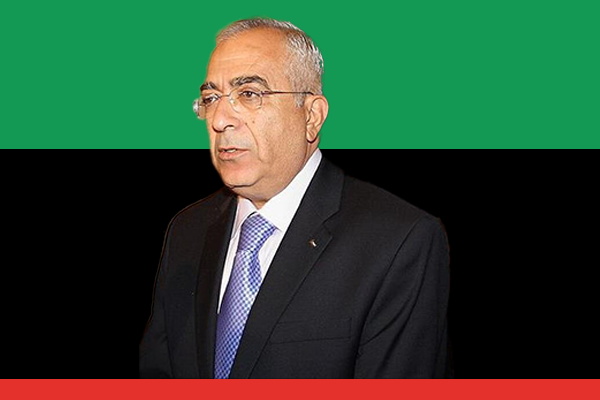
Early Life and Education
Salam Fayyad was born on April 2, 1952, in Deir al-Ghusun, near Tulkarm, in the West Bank. He grew up in a modest family that valued education and hard work. Fayyad pursued higher education abroad, earning a bachelor’s degree in accounting from the American University of Beirut. He later moved to the United States, where he completed his MBA and PhD in economics at the University of Texas at Austin.
His academic achievements helped him develop strong expertise in finance, economics, and public policy. These skills would later play a key role in his leadership and reform programs.
Professional Career Before Politics
Before entering politics, Salam Fayyad worked in international financial institutions. He served at the World Bank and later joined the International Monetary Fund (IMF). His work at the IMF included advising countries on economic reform and financial management.
These positions gave him global experience and helped him understand the importance of financial discipline and institutional accountability. His international reputation as a skilled economist grew during this time.
Entry into Palestinian Politics
Salam Fayyad entered Palestinian politics in 2002 when he was appointed Finance Minister of the Palestinian Authority. In this role, he introduced major financial reforms. He improved transparency, reduced corruption, and ensured that government funds were properly managed.
His reforms gained praise from international donors and helped increase confidence in Palestinian institutions. His success as Finance Minister made him one of the most trusted leaders in the Palestinian government.
Prime Ministership and Leadership
Salam Fayyad became Prime Minister in 2007 during a period of political crisis between Palestinian factions. His leadership focused on building the foundations of a future Palestinian state.
He introduced reforms in several key areas:
- Strengthening public institutions
- Improving security and law enforcement
- Developing infrastructure
- Promoting economic growth
His government worked to improve daily life for Palestinians by building roads, schools, and hospitals. He also focused on improving financial management and reducing dependency on foreign aid.
State-Building Program
One of Salam Fayyad’s most important contributions was his state-building plan launched in 2009. The goal was to prepare Palestine for independence by building strong and effective institutions.
His plan emphasized:
- Rule of law
- Good governance
- Economic independence
- Transparent administration
Many international leaders praised his efforts and considered his reforms essential for Palestinian development.
Challenges and Resignation
Despite his achievements, Salam Fayyad faced political challenges. Internal disagreements and political divisions made governing difficult. He resigned as Prime Minister in 2013.
Although his tenure ended, his reforms left a lasting impact on Palestinian governance.
Legacy and Importance
Salam Fayyad is remembered as one of the most effective and respected Palestinian Prime Ministers. His leadership focused on reform, institution-building, and economic stability.
His key achievements include:
- Improving financial transparency
- Strengthening government institutions
- Promoting peaceful development
- Enhancing Palestine’s international credibility
Today, Salam Fayyad remains an influential figure and continues to contribute to international policy discussions.
Conclusion
Salam Fayyad’s leadership played a crucial role in strengthening Palestinian institutions and promoting economic reform. His dedication to transparency, professionalism, and state-building earned him international respect. His legacy continues to influence Palestinian governance and serves as an example of reform-focused leadership in challenging political conditions.