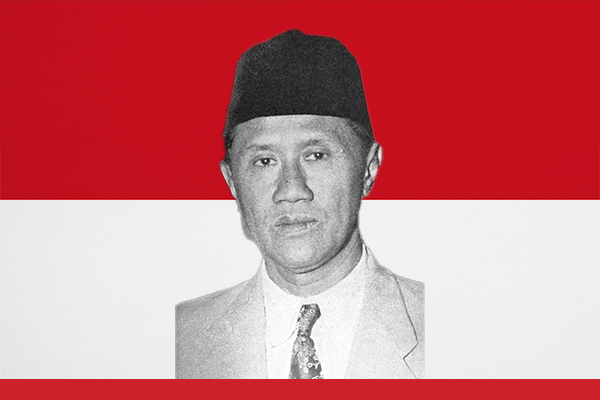
Early Life and Education
Soekiman Wirjosandjojo was born on June 19, 1898, in Yogyakarta, during the Dutch colonial era. His family valued education, and he excelled academically from a young age. He studied medicine at STOVIA (School tot Opleiding van Indische Artsen) in Batavia, where many future Indonesian leaders were educated. During his student years, he developed a strong sense of nationalism and began engaging with early independence movements.
Involvement in the Nationalist Movement
As a young intellectual, Soekiman actively participated in the rising nationalist sentiment across the archipelago. He joined organizations that opposed colonial rule and promoted Indonesian unity. His political awareness deepened as he interacted with fellow nationalists who shared his vision of freedom and justice. His medical background helped him connect with people from different walks of life, which later influenced his inclusive approach to politics.
Founding of the Indonesian Islamic Union Party
In the 1920s, Soekiman co-founded the Partai Sarekat Islam Indonesia (PSII), an important Islamic political organization. He believed that Islam could serve as a moral and social foundation for Indonesia’s independence. As one of PSII’s leading figures, he advocated for political participation, education, and economic independence among Indonesians. His leadership helped shape Islamic political thought during the colonial period.
Political Role Before Independence
During the 1930s and early 1940s, Soekiman continued to play an active role in nationalist politics. He served in various organizations that sought political reform and greater autonomy under Dutch rule. When the Japanese occupied Indonesia during World War II, Soekiman used his influence to protect the interests of the Indonesian people and prepare for eventual independence.
Contribution to Indonesia’s Independence
After Indonesia declared independence in 1945, Soekiman became an essential figure in the country’s political restructuring. He joined the Masjumi Party, a major Islamic political force that represented the interests of moderate Muslims. Through Masjumi, he participated in national discussions on governance, constitution-building, and foreign policy. His experience, moderation, and diplomatic skills earned him respect across political lines.
Appointment as Prime Minister
In April 1951, Soekiman Wirjosandjojo became Prime Minister of Indonesia, succeeding Mohammad Natsir. He formed a coalition government composed mainly of the Masjumi Party and the PNI (Indonesian National Party). His leadership focused on national stability, administrative efficiency, and strengthening international relations.
Domestic Policies and Achievements
As Prime Minister, Soekiman implemented policies that promoted civil order and improved public welfare. He emphasized the importance of education, health, and social security for the Indonesian people. He also sought to improve relations between the government and the military, ensuring balance and cooperation in the young nation.
Soekiman introduced a new social welfare program, which became known as the “Soekiman Cabinet Program.” This plan aimed to support low-income families and improve living conditions in urban and rural areas. His administration also addressed issues of corruption and inefficiency in public offices.
Foreign Policy and International Relations
Soekiman believed that Indonesia should maintain a balanced and independent foreign policy. He strengthened diplomatic ties with Western and Asian countries while preserving national sovereignty. During his tenure, Indonesia signed the Mutual Security Agreement with the United States, marking an important moment in the nation’s early diplomacy. Although this move sparked some controversy, Soekiman defended it as essential for Indonesia’s economic and security needs.
Challenges and End of Tenure
Despite his good intentions, Soekiman faced political challenges from both leftist and nationalist factions. His government struggled with internal divisions, and opposition leaders accused him of favoring Western alliances. These tensions eventually led to his resignation in February 1952. Even after leaving office, he continued contributing to national politics and remained active in Masjumi.
Legacy and Influence
Prime Minister Soekiman Wirjosandjojo left a legacy of moderation, integrity, and service. He demonstrated that effective leadership required both diplomacy and compassion. His efforts to integrate Islamic values with national policies influenced future generations of Indonesian politicians. Though his term was short, his commitment to democracy and social progress played a crucial role in shaping Indonesia’s post-independence government.