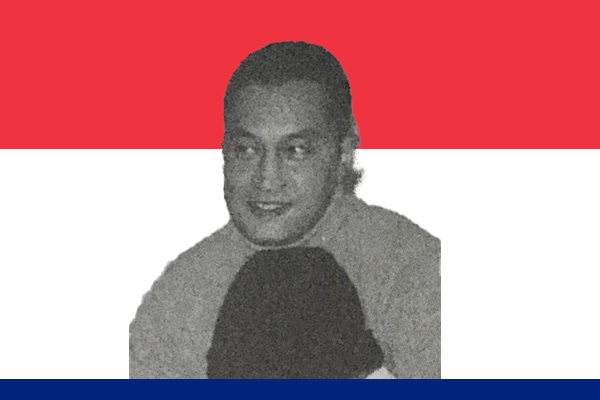
Early Life and Military Career
Suchinda Kraprayoon was born on 6 August 1933 in Thailand. He pursued a military education and graduated from the Chulachomklao Royal Military Academy. From the beginning of his career, he demonstrated discipline and strategic thinking, which helped him gain respect within the armed forces.
He steadily climbed the military hierarchy and eventually became Commander-in-Chief of the Royal Thai Army. In this role, he exercised strong influence over national security and political decision-making. His military authority positioned him as one of the most powerful figures in Thailand by the late 1980s.
Role in the 1991 Coup
In February 1991, Suchinda Kraprayoon played a leading role in the military coup that overthrew the elected government of Prime Minister Chatichai Choonhavan. He and other military leaders justified the coup by accusing the government of corruption and mismanagement.
After the coup, Suchinda supported the establishment of the National Peace Keeping Council, which controlled the country and promised political reform. At that time, he publicly stated that he would not seek the position of prime minister, a promise that later became highly controversial.
Appointment as Prime Minister
In April 1992, Suchinda Kraprayoon accepted the position of Prime Minister despite not being an elected member of parliament. His appointment followed constitutional changes that allowed a non-elected individual to assume the role. This decision immediately triggered widespread dissatisfaction among the public.
Many citizens viewed his leadership as a betrayal of democratic principles. Protesters demanded an elected prime minister and an end to military dominance in politics. Suchinda attempted to maintain order, but public opposition continued to grow.
Black May 1992 and Public Uprising
The situation reached a breaking point in May 1992, during events later known as “Black May.” Large-scale demonstrations erupted in Bangkok, led by pro-democracy activists and ordinary citizens. Suchinda’s government responded with force, and violent clashes occurred between protesters and security forces.
These events resulted in numerous injuries and deaths, deeply shocking the nation. Public pressure intensified, and the legitimacy of Suchinda’s leadership collapsed rapidly. The crisis forced him to reconsider his position as prime minister.
Resignation and Political Aftermath
On 24 May 1992, Suchinda Kraprayoon resigned from office after only about two months as prime minister. His resignation helped ease tensions and opened the path for democratic reforms. The monarchy also played a crucial role in calming the crisis and encouraging reconciliation.
Following his resignation, Thailand amended its constitution to prevent non-elected individuals from becoming prime minister in the future. This change marked a significant step toward strengthening democratic governance.
Legacy and Historical Significance
Suchinda Kraprayoon remains a symbol of military intervention in Thai politics. While he demonstrated strong leadership within the armed forces, his premiership highlighted the limits of military authority in a society increasingly committed to democracy.
His short tenure served as a turning point in modern Thai history. The events surrounding his leadership reinforced public demand for accountable government and civilian rule. Today, historians remember Suchinda Kraprayoon not for the length of his rule, but for the powerful lessons his time in office taught the nation.