Mr. Sükhbaataryn Batbold
In Office: 29 October 2009 – 10 August 2012
Political Party: MPRP
Home State: Choibalsan
Lifespan: born 1963
Country: Mongolia
Image credits available here.
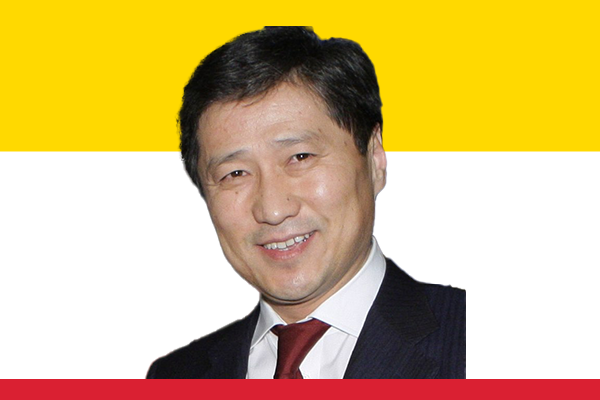
Early Life and Education
Sükhbaataryn Batbold was born on June 24, 1963, in Ulaanbaatar, the capital city of Mongolia. He grew up during the socialist period when Mongolia had close ties with the Soviet Union. Batbold showed strong academic ability from a young age. He later studied economics at the Moscow State Institute of International Relations, one of the most prestigious institutions in Russia. His education helped him gain knowledge about international trade, diplomacy, and global economics, which later became useful in his political career.
Business Career
Before entering full-time politics, Batbold was a successful businessman. After Mongolia shifted from socialism to democracy and a market economy in the early 1990s, he became involved in private business. He worked in export and import companies and helped develop Mongolia’s trade relations with other countries. His business experience gave him a strong understanding of economic development, investment, and financial management.
His success in business also helped him build connections and gain respect as a capable leader. This experience later influenced his policies when he became Prime Minister.
Entry into Politics
Batbold joined the Mongolian People’s Party, one of the major political parties in the country. He was elected as a member of the parliament, known as the State Great Khural. He served in different government positions, including Minister of Foreign Affairs from 2008 to 2009.
As Foreign Minister, he worked to strengthen Mongolia’s international relationships. He promoted cooperation with countries such as China, Russia, the United States, and Japan. His diplomatic skills and leadership ability led to his appointment as Prime Minister in 2009.
Term as Prime Minister (2009–2012)
Batbold became Prime Minister during a very important time for Mongolia. The country was experiencing rapid economic growth due to its mining sector, especially copper, coal, and gold. His government focused on managing these resources responsibly.
One of his major goals was to ensure that Mongolia’s natural resources benefited its people. He supported agreements with international mining companies to attract investment while protecting national interests.
His government also worked on improving infrastructure, including roads, schools, and hospitals. These developments helped improve the quality of life for many Mongolians.
Another important focus was maintaining balanced foreign relations. Mongolia is located between two powerful neighbors, China and Russia. Batbold followed a policy of maintaining friendly relations with both countries while also building partnerships with other nations.
Challenges and Leadership
Despite economic growth, Batbold faced challenges such as inflation, unemployment, and public concerns about corruption. Managing the mining boom was difficult, and there were debates about how the country’s wealth should be shared.
However, Batbold was known for his calm personality and diplomatic approach. He worked to maintain political stability and economic progress.
Later Career and Legacy
After his term ended in 2012, Batbold continued his political career as a member of parliament. He remained an influential figure in Mongolian politics.
His legacy as Prime Minister is closely connected with Mongolia’s mining-driven economic expansion and increased international presence. He helped Mongolia strengthen its democracy and global partnerships.
Conclusion
Sükhbaataryn Batbold is an important leader in Mongolia’s modern history. From businessman to Prime Minister, his career reflects Mongolia’s transition to a democratic and market-based society. His leadership during a time of economic growth helped shape Mongolia’s development and position in the world. He remains a respected political figure who contributed significantly to his country’s progress.