Early Life and Military Background
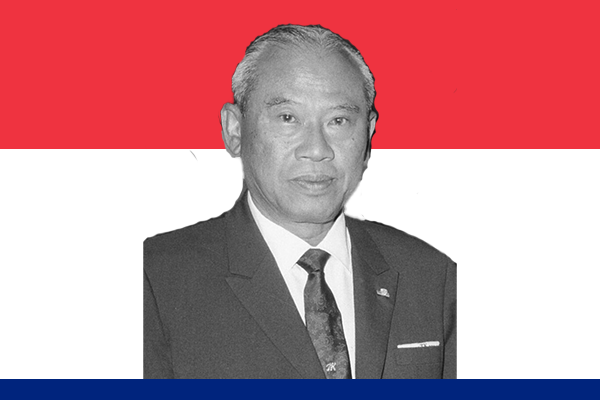
Thanom Kittikachorn emerged as one of Thailand’s most influential and controversial political leaders of the twentieth century. Born on August 11, 1911, in Bangkok, he chose a military career at an early age and enrolled in Thailand’s military academies. Through discipline, loyalty, and strategic alliances, Thanom steadily climbed the ranks of the armed forces. His military training shaped his leadership style, which emphasized order, hierarchy, and centralized authority. These qualities later defined his political decisions when he entered national leadership.
Entry into Politics
Thanom entered politics through the close relationship between the military and the Thai state. During the 1950s, he aligned himself with Field Marshal Sarit Thanarat, one of Thailand’s most powerful military rulers. Thanom actively supported Sarit’s coups and policies, earning trust within the ruling elite. When Sarit became prime minister, Thanom served in key roles, including deputy prime minister and defense minister. These positions allowed him to gain administrative experience and deepen his influence over both civilian institutions and the armed forces.
First Term as Prime Minister
Thanom Kittikachorn first assumed the office of prime minister in 1958, following political instability and military intervention. He governed initially under Sarit’s dominance, but he played an active role in managing state affairs. Thanom promoted strong anti-communist policies during the Cold War, aligning Thailand closely with Western powers, particularly the United States. His government emphasized national security, internal stability, and economic development, while restricting political freedoms in the name of order.
Consolidation of Power
After Sarit Thanarat’s death in 1963, Thanom took full control of the government. He ruled Thailand as both prime minister and military leader, consolidating authority in his own hands. Thanom suspended democratic processes and relied heavily on martial law. He justified these actions by arguing that Thailand faced threats from communism and internal unrest. Under his leadership, the military expanded its role in governance, and political opposition faced strict limitations.
Economic Policies and Governance
Thanom’s government pursued economic modernization and infrastructure development. He supported industrial growth, foreign investment, and large-scale development projects. These efforts contributed to economic expansion in urban areas and strengthened Thailand’s strategic importance in Southeast Asia. However, his administration failed to address growing inequality and political dissatisfaction. While the economy showed progress, many citizens criticized the lack of political participation and transparency.
Public Opposition and the 1973 Uprising
By the early 1970s, public frustration with authoritarian rule intensified. Students, intellectuals, and urban citizens demanded a constitution and democratic reforms. Thanom resisted these demands and attempted to maintain strict control. In October 1973, mass protests erupted in Bangkok. The government responded with force, which escalated the crisis. Ultimately, the uprising forced Thanom Kittikachorn to resign and leave the country, marking a dramatic end to his long rule.
Exile, Return, and Legacy
Thanom lived in exile for several years before returning to Thailand in 1976 as a monk. His return sparked renewed political tension and unrest. Historians continue to debate his legacy. Supporters credit him with maintaining stability and promoting economic growth during a volatile period. Critics argue that he undermined democracy and suppressed civil liberties. Thanom Kittikachorn remains a symbol of Thailand’s military-dominated politics and the struggle between authoritarian control and democratic aspirations.