Early Life and Education
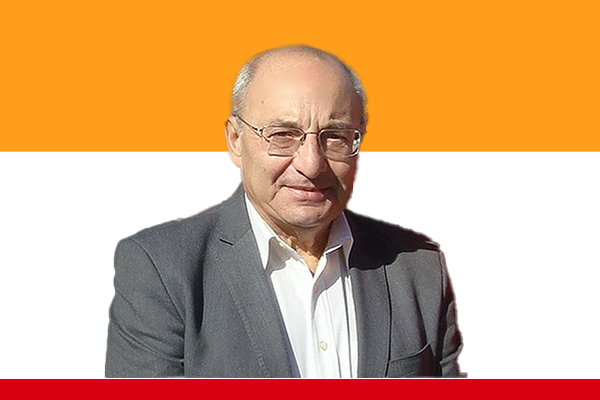
Vazgen Manukyan was born on February 13, 1946, in Yerevan, the capital of Armenia. He studied physics at Yerevan State University, where he later worked as a lecturer. His academic background helped him develop analytical thinking and leadership skills. During his early years, he was involved in intellectual and political discussions that focused on Armenian identity, national rights, and reform within the Soviet system.
His involvement in political activism grew during the late Soviet period, especially as reform movements began to spread across the USSR.
Role in the Independence Movement
Manukyan became a key leader in the Armenian national movement in the late 1980s. He was one of the founders of the Armenian National Movement, which pushed for independence and democratic reforms. This movement gained strong public support, especially during the conflict over Nagorno-Karabakh, where ethnic Armenians demanded unification with Armenia.
His leadership and organizational abilities made him a trusted figure among reformers and citizens. He played a major role in mobilizing people and guiding political strategy during this critical period.
Appointment as Prime Minister
In August 1990, Vazgen Manukyan was appointed Prime Minister under President Levon Ter-Petrosyan. His appointment came at a time when Armenia was preparing to declare independence from the Soviet Union, which it officially did in 1991.
As Prime Minister, Manukyan faced serious challenges. The country was dealing with economic collapse, energy shortages, and the effects of war. Soviet-era economic systems were breaking down, and Armenia had to build new institutions from scratch.
Despite these problems, he worked to stabilize the government and ensure a peaceful transition toward independence.
Leadership During National Crisis
One of Manukyan’s biggest challenges was managing the economic crisis. Armenia faced blockades, lack of fuel, and shortages of essential goods. His government attempted to organize resources, maintain public order, and support the population.
He also played an important role in coordinating Armenia’s early defense efforts during the Nagorno-Karabakh conflict. His leadership helped Armenia maintain political stability during a dangerous and uncertain period.
Although his term as Prime Minister ended in 1991, his contribution during this time was essential for Armenia’s survival as a new independent state.
Later Political Career and Influence
After serving as Prime Minister, Vazgen Manukyan continued his political career. He later served as Defense Minister and remained active in Armenian politics for many years. He also became involved in opposition movements and political reform efforts.
He founded political parties and civic organizations that focused on democracy, national development, and good governance. His continued involvement shows his long-term commitment to Armenia’s political future.
Manukyan is widely respected for his experience, patriotism, and dedication.
Legacy and Historical Importance
Vazgen Manukyan’s legacy is closely connected to Armenia’s independence. He helped guide the country through one of the most difficult transitions in its history. His leadership during political change, economic crisis, and conflict made him an important national figure.
Historians consider him one of the key architects of modern Armenia. His work helped establish government institutions and protect the country during its early years.
Today, he remains an influential and respected personality in Armenian public life.
Conclusion
Vazgen Manukyan played a vital role in shaping independent Armenia. As Prime Minister during a critical period, he helped lead the country through political transformation and national struggle. His leadership, dedication, and service have left a lasting impact on Armenia’s history. He continues to be remembered as a patriotic leader who helped build the foundation of the Armenian republic.