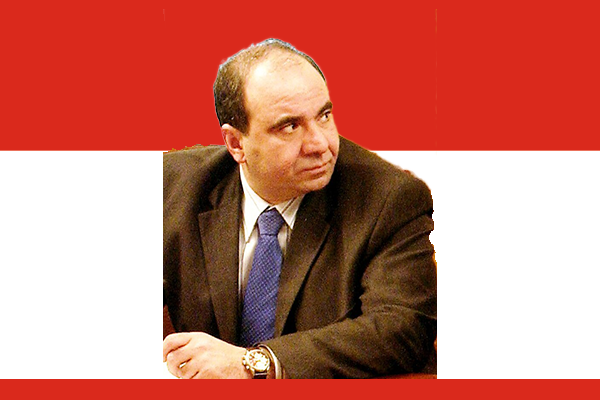
Early Life and Education
Zurab Zhvania was born on December 9, 1963, in Tbilisi, the capital of Georgia. His father was a physicist, and his mother was an Armenian engineer. Zhvania studied biology at Tbilisi State University, where he developed an early interest in public affairs and leadership. During the late Soviet period, he became involved in environmental and political movements that advocated for greater freedom and national independence.
His activism during this period helped him gain recognition as part of a new generation of reform-minded leaders. He soon transitioned from academic life into full-time politics.
Rise in Georgian Politics
Zhvania’s political career began in the early 1990s after Georgia gained independence from the Soviet Union. He joined the political circle of Eduard Shevardnadze, who later became President of Georgia. Zhvania quickly rose through the ranks due to his intelligence, communication skills, and leadership qualities.
In 1995, he became Chairman of the Georgian Parliament, one of the most powerful positions in the country. During his time in this role, he worked to establish democratic institutions and strengthen Georgia’s parliamentary system. However, over time, he became increasingly critical of corruption and inefficiency within the government.
Role in the Rose Revolution
Zurab Zhvania is best remembered for his key role in the 2003 Rose Revolution, a peaceful protest movement that led to major political change in Georgia. Alongside leaders such as Mikheil Saakashvili, Zhvania helped organize demonstrations against election fraud and government corruption.
The revolution forced President Shevardnadze to resign, marking a turning point in Georgia’s political history. Zhvania’s leadership during this period earned him national and international respect. His famous statement, “I am Georgian, and therefore I am European,” reflected his vision of Georgia as a democratic and European-oriented country.
Premiership and Major Contributions
In February 2004, Zurab Zhvania was appointed Prime Minister. As Prime Minister, he focused on stabilizing the economy, reducing corruption, and strengthening government institutions. His administration worked to improve tax collection, reform public services, and attract foreign investment.
Zhvania also played an important role in resolving regional conflicts and promoting unity within the country. He was known as a skilled negotiator and moderate leader who sought compromise and stability.
Internationally, he strengthened Georgia’s relationships with Western countries and supported integration with European and international organizations.
Death and Legacy
Tragically, Zurab Zhvania’s career was cut short. He died on February 3, 2005, at the age of 41. His death was officially attributed to accidental carbon monoxide poisoning, although it shocked the nation and led to widespread mourning.
Zhvania’s death was a major loss for Georgia. He was seen as a unifying figure capable of guiding the country toward long-term stability and democratic development.
Conclusion
Prime Minister Zurab Zhvania remains one of Georgia’s most respected political leaders. His role in the Rose Revolution, commitment to democracy, and efforts to modernize Georgia left a lasting impact. Despite his short time in office, Zhvania helped shape Georgia’s political future and inspired a new generation of leaders. His legacy continues to influence Georgia’s path toward democracy, reform, and European integration.