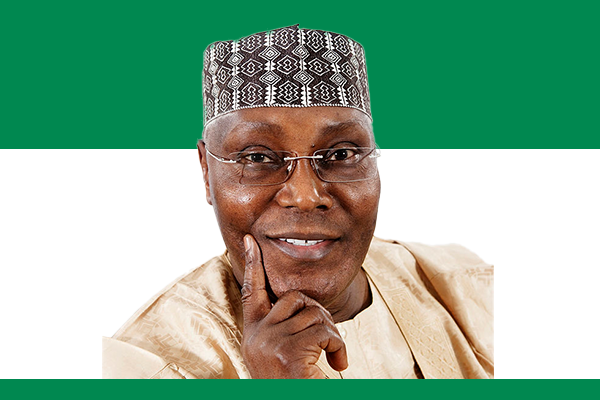
Early Life and Education
Atiku Abubakar was born on November 25, 1946, in Jada, Adamawa State, Nigeria. He grew up in a family that valued education and entrepreneurship. Atiku attended Gwandu Provincial Secondary School and later went to the Nigerian Police College and the School of Administration in Zaria. He pursued further studies in the United States, gaining exposure to international business and governance practices, which later influenced his approach to leadership and policy-making.
Career Beginnings and Business Ventures
Before entering politics, Atiku Abubakar actively engaged in business and public service. He worked with the Nigerian Customs Service, where he quickly rose through the ranks due to his diligence and innovative thinking. After leaving the service, Atiku invested in agriculture, education, and logistics, founding several successful companies. His entrepreneurial experience shaped his commitment to economic reforms and private sector growth during his political career.
Vice Presidency and Political Leadership
Atiku Abubakar served as Vice President of Nigeria from 1999 to 2007 under President Olusegun Obasanjo. In this role, he played a crucial part in shaping national policies and strengthening governance structures. Atiku actively promoted economic liberalization, privatization of state-owned enterprises, and trade reforms to stimulate growth and job creation. He also supported initiatives that improved infrastructure, education, and healthcare across Nigeria.
Economic Reforms and Development Initiatives
During his tenure, Atiku spearheaded programs aimed at enhancing Nigeria’s economic stability. He worked to reform the banking sector, improve agricultural productivity, and encourage foreign investment. Atiku emphasized entrepreneurship, providing support for small and medium-sized enterprises (SMEs) to create jobs and reduce poverty. His focus on economic empowerment reflected his belief in sustainable development and inclusive growth.
Education and Human Capital Development
Atiku Abubakar actively championed education throughout his political career. He supported policies that increased access to primary, secondary, and tertiary education, especially in underserved regions. Atiku promoted teacher training, curriculum modernization, and scholarship programs to develop human capital. He believed that education would equip Nigerians with the skills and knowledge necessary to participate effectively in the country’s growth.
Advocacy for Democracy and Good Governance
Atiku consistently advocated for democracy, transparency, and accountability. As Vice President, he encouraged reforms that reduced corruption and strengthened public institutions. He engaged in dialogue with political and civic leaders to ensure fair governance practices. Atiku also represented Nigeria on the international stage, building partnerships that enhanced the country’s diplomatic and economic profile.
Legacy and Influence
Atiku Abubakar’s influence extends beyond his tenure as Vice President. He inspired a generation of leaders to value entrepreneurship, education, and civic engagement. His contributions to economic reforms, education initiatives, and governance have left a lasting impact on Nigeria’s development trajectory. Atiku continues to play an active role in politics, advocating for policies that promote national unity, economic progress, and social welfare.
Conclusion
Vice President Atiku Abubakar played a vital role in Nigeria’s political and economic development. Through his active leadership, he implemented reforms, supported education, and promoted good governance. His dedication to national progress and sustainable growth established him as a respected figure in Nigerian politics. Atiku’s legacy continues to influence contemporary governance, entrepreneurship, and public service, making him one of the most influential leaders in Nigeria’s modern history.