Mr. Carlos P. Garcia
In Office: 30 December 1953 – 18 March 1957
Political Party: Nacionalista Party
Home State: Talibon
Lifespan: 1896–1971
Country: Philippines
Image credits available here.
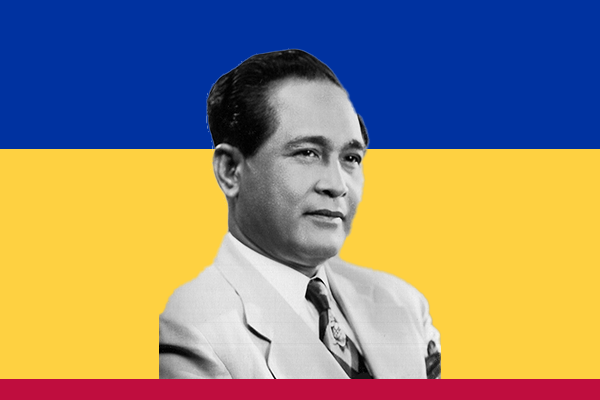
Early Life and Education
Carlos P. Garcia was born on November 4, 1896, in Talibon, Bohol, Philippines. His parents, Policronio Garcia and Ambrosia Polestico, encouraged him to value education and hard work. Garcia displayed brilliance in academics from an early age. He attended the Philippine Law School and later earned his law degree from Silliman University in 1923. His passion for public service began during his student years when he actively participated in debates and civic discussions.
Early Career and Entry into Politics
Garcia started his professional journey as a lawyer and quickly gained a reputation for his eloquence and integrity. He entered politics in 1925 when he became governor of Bohol. In this role, he improved local governance by promoting education, agriculture, and infrastructure development. His success at the provincial level earned him national attention. By 1941, Garcia won a seat in the Philippine Senate, where he advocated for national unity and economic independence.
Service During and After World War II
During World War II, Garcia joined the resistance against Japanese occupation. He refused to cooperate with the puppet government and instead supported Filipino guerrillas fighting for freedom. After the war, he returned to the Senate and worked on rebuilding the nation. He focused on laws that strengthened the economy, supported war veterans, and restored peace and stability in the Philippines.
Vice-Presidency Under Ramon Magsaysay
In 1953, Garcia ran as vice-president alongside Ramon Magsaysay under the Nacionalista Party. The duo won a landslide victory. As vice-president, Garcia served with loyalty and dedication. He also became Secretary of Foreign Affairs, where he defended Philippine interests abroad. He represented the nation in international conferences and promoted the policy of close cooperation with Asian neighbors while maintaining good relations with the United States.
The Filipino First Policy
Garcia strongly believed that Filipinos should have control over their own economy. When he became president after Magsaysay’s sudden death in 1957, he introduced the “Filipino First Policy.” This policy encouraged Filipinos to prioritize local products and businesses over foreign ones. He aimed to reduce the country’s economic dependence on foreign powers and strengthen national industries. As vice-president, he had already laid the groundwork for these economic reforms through his speeches and advocacies. His nationalist approach earned him admiration from those who wanted genuine independence for the Philippines.
Emphasis on Integrity and Nationalism
Garcia valued honesty and transparency in public service. He launched anti-corruption efforts and demanded that government officials live simply. His administration set an example of moral leadership. His speeches often inspired citizens to put the country above personal interests. He reminded Filipinos that true progress depended on unity, discipline, and national pride.
Achievements in Foreign Affairs
As vice-president and later as president, Garcia represented the Philippines in international forums with dignity and intelligence. He attended the Southeast Asia Treaty Organization (SEATO) meetings and emphasized the need for regional cooperation to ensure peace and security. He also negotiated trade agreements that favored Philippine interests. His diplomatic skills strengthened the nation’s reputation abroad.
Later Years and Legacy
After his presidency, Garcia continued to serve his country. In 1971, he became a delegate to the Constitutional Convention, showing his continued commitment to public service. Sadly, he passed away on June 14, 1971, shortly after being elected president of the convention.
Garcia’s legacy remains one of nationalism, integrity, and love for country. He believed that Filipinos must take charge of their destiny. His “Filipino First Policy” continues to symbolize pride in local industry and economic independence. As vice-president, he laid the foundation for a self-reliant Philippines and inspired future leaders to follow his example.