Mr. Diosdado Macapagal
In Office: 30 December 1957 – 30 December 1961
Political Party: Nacionalista Party
Home State: Lubao
Lifespan: 1910–1997
Country: Philippines
Image credits available here.
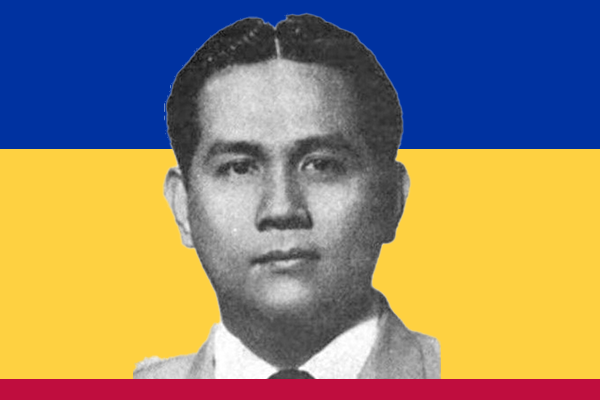
Early Life and Education
Diosdado Macapagal was born on September 28, 1910, in Lubao, Pampanga, Philippines. His family lived modestly, and his early years reflected the struggles of rural life. Despite financial hardship, he pursued his studies with determination. He completed his primary and secondary education through scholarships and hard work. Macapagal earned his law degree from the University of the Philippines and later obtained a doctorate in economics from the University of Santo Tomas. His academic success revealed his discipline and ambition to uplift himself and his nation.
Early Career and Rise in Public Service
After completing his studies, Macapagal began his professional career as a lawyer. He joined the Department of Foreign Affairs and served as a diplomat, representing the Philippines in various international forums. His intelligence and eloquence impressed both local and foreign leaders. He later entered politics, where he aimed to promote fairness and equal opportunity for all Filipinos.
Entry into Politics
Macapagal entered the House of Representatives in 1949 as a congressman from Pampanga. He focused on land reform and poverty reduction, which reflected his compassion for farmers and laborers. He believed that economic independence would strengthen national identity. His legislative work and moral integrity earned him widespread respect.
Election as Vice President
In the 1957 elections, Diosdado Macapagal ran as the vice-presidential candidate under the Liberal Party. Despite his party’s loss in the presidential race, the Filipino people elected him as Vice President due to his reputation as an honest and hardworking leader. His victory demonstrated his ability to connect with ordinary citizens who saw him as one of their own.
Vice-Presidential Achievements
As Vice President, Macapagal served under President Carlos P. Garcia. Although they belonged to different parties, he continued to advocate for reforms. He criticized corruption and inefficiency in government and called for policies that favored the poor. He promoted moral governance and transparency, setting an example of principled leadership.
Macapagal represented the Philippines in diplomatic events and strengthened the nation’s ties with other countries. He also launched social and economic initiatives that reflected his vision of a prosperous and just society.
Advocacy for Economic Independence
Macapagal believed that the Philippines must reduce dependency on foreign nations. He proposed measures to promote local industries, increase agricultural productivity, and stabilize the currency. He encouraged educational development as a path to national progress. His ideas about economic independence influenced future policies and inspired young Filipinos to value self-reliance.
Political Challenges and Determination
As Vice President, Macapagal faced political isolation because of his opposing views to President Garcia’s administration. Despite these challenges, he continued to speak openly about his principles. He criticized government inefficiency and corruption, calling for honest and modern governance. His courage to stand by his beliefs earned him both admirers and critics, but he never wavered in his commitment to national progress.
Path to the Presidency
Macapagal’s integrity and vision prepared him for higher office. In 1961, he ran for president against Garcia and won a decisive victory. His time as vice president helped him understand the nation’s challenges and prepared him to implement reforms. His presidency focused on social justice, land reform, and national renewal.
Legacy as Vice President
Diosdado Macapagal’s term as Vice President remains one of moral conviction and visionary leadership. He used his position to promote equality, honesty, and modernization in public life. He became known as “The Poor Boy from Lubao” who rose through education and perseverance. His legacy as Vice President reflects his belief that leadership must serve the people with humility and dedication.
Conclusion
Vice President Diosdado Macapagal’s life stands as a symbol of hope and determination. From humble beginnings, he rose to one of the highest offices in the land through education, courage, and integrity. His vice presidency paved the way for his eventual rise to the presidency and his continued advocacy for the Filipino people.