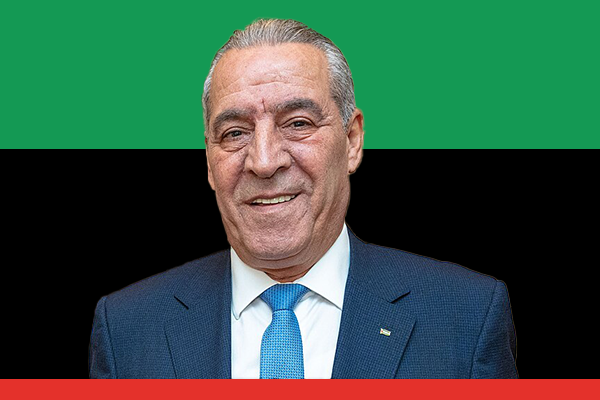
Early Life and Background
Hussein al-Sheikh was born in 1960 in Ramallah, a major political and administrative city in the Palestinian territories. He grew up during a period of intense political conflict and Israeli occupation, which deeply influenced his political views and future career. As a young man, he became involved in Palestinian activism and joined the Palestinian national movement.
During his early years, he was imprisoned by Israeli authorities for his political activities. He spent several years in prison, where he learned Hebrew and gained a deeper understanding of Israeli society and politics. This experience later helped him in negotiations and coordination roles.
Role in Fatah and Political Rise
Hussein al-Sheikh became an important member of Fatah, the dominant political party in Palestinian politics. Fatah was founded by Palestinian leader Yasser Arafat and has played a central role in the Palestinian national movement.
Through his dedication and leadership skills, al-Sheikh rose through the ranks of the party. He became known as a loyal and trusted figure within the Palestinian leadership. His close relationship with senior leaders helped him gain influence and responsibility.
He later became a member of Fatah’s Central Committee, which is one of the most powerful decision-making bodies in the party.
Leadership in the Palestinian Authority
Hussein al-Sheikh gained international attention when he was appointed head of the Civil Affairs Authority. In this position, he was responsible for managing relations and coordination between the Palestinian Authority and Israel. This role included handling permits, travel arrangements, and administrative cooperation.
He worked closely with Palestinian President Mahmoud Abbas and became one of his closest political allies. His ability to communicate with Israeli officials and international representatives made him a key figure in Palestinian governance.
His leadership role expanded when he became Secretary-General of the Executive Committee of the Palestine Liberation Organization (PLO), which represents the Palestinian people internationally.
Appointment as Vice President
Hussein al-Sheikh’s political career reached a major milestone when he was appointed Vice President of the State of Palestine. This appointment marked him as one of the most powerful leaders in the Palestinian political system.
His appointment was seen as an important step in preparing the next generation of Palestinian leadership. Many political observers consider him a potential successor to President Mahmoud Abbas.
As Vice President, he plays a key role in decision-making, political planning, and representing Palestine in diplomatic matters.
Political Influence and Vision
Hussein al-Sheikh is known for his pragmatic and diplomatic approach. He supports negotiations and political solutions to achieve Palestinian independence. He has emphasized the importance of international cooperation and peaceful dialogue.
His experience in administration and negotiations has made him one of the most influential Palestinian leaders today.
However, like many political leaders, he also faces criticism and challenges. Some Palestinians question political reforms and leadership changes, while others support his experience and leadership.
Conclusion
Hussein al-Sheikh has played a major role in Palestinian politics for decades. From his early activism and imprisonment to becoming Vice President, his journey reflects dedication to the Palestinian cause.
His close relationship with President Mahmoud Abbas, leadership in Fatah, and role in the PLO have made him a central figure in Palestinian governance. As Vice President, he continues to influence the future direction of Palestine.