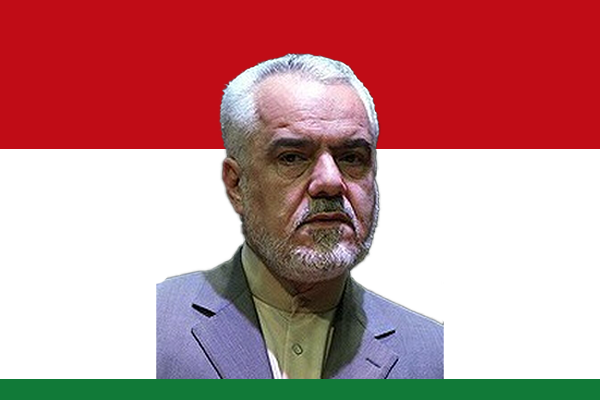
Early Life and Education
Born on January 11, 1949, in the city of Serishabad, Iran, Mohammad Reza Rahimi pursued his education in law and political sciences. He graduated from the University of Tehran, where he developed a foundation in governance and public administration. His early education played a crucial role in shaping his career trajectory and provided him with the knowledge necessary to navigate Iran’s complex political landscape.
Political Career
Rahimi began his political involvement in regional and local governance, gaining experience in administrative roles. He first held positions in the judiciary and later moved into executive roles at the provincial level. His work in regional development and public administration earned him recognition within the political establishment, paving the way for higher office.
In 2004, Rahimi was appointed as the Governor of Kurdistan Province. During his tenure, he focused on economic development, infrastructure projects, and improving social services in the region. His governance style emphasized pragmatic solutions to local challenges, often prioritizing economic growth and stability.
Vice Presidency (2009–2013)
In 2009, Rahimi was appointed Vice President of Iran, a position that made him one of the most influential figures in the government. As Vice President, he oversaw various administrative and executive functions, acting as a key advisor to President Mahmoud Ahmadinejad. Rahimi’s responsibilities included supervising governmental projects, managing public sector affairs, and coordinating between ministries.
During his tenure, Rahimi emphasized economic reforms and aimed to boost Iran’s domestic production. He supported initiatives to reduce unemployment and improve financial management within government institutions. However, his term was also marked by controversies and criticisms related to governance and accountability.
Controversies and Legal Issues
Mohammad Reza Rahimi’s career faced significant scrutiny due to allegations of corruption and misuse of public funds. In 2015, he was sentenced to prison for embezzlement, highlighting the legal and ethical challenges within Iranian political structures. These controversies significantly impacted his public image and remain a prominent aspect of discussions about his political legacy.
Despite the legal setbacks, Rahimi’s career offers insight into the inner workings of Iran’s political system and the role of Vice Presidents in shaping policy and governance. His experiences reflect the delicate balance between political authority and accountability in the country.
Legacy and Impact
Rahimi’s legacy is a combination of administrative accomplishments and public controversies. While he contributed to regional development and attempted economic reforms at the national level, his career also serves as a cautionary tale regarding governance and transparency in Iranian politics. His tenure demonstrates both the potential for political influence and the risks associated with public office.
Conclusion
Mohammad Reza Rahimi remains a significant figure in Iran’s political history. From his early administrative roles to his Vice Presidency, his journey showcases the complexities of leadership in a challenging political environment. While controversies have shaped his legacy, his career provides valuable lessons on governance, accountability, and the intricacies of Iranian political life.