Mr. Noli de Castro
In Office: 30 June 2004 – 30 June 2010
Political Party: Independent
Home State: Pola
Lifespan: born 1949
Country: Philippines
Image credits available here.
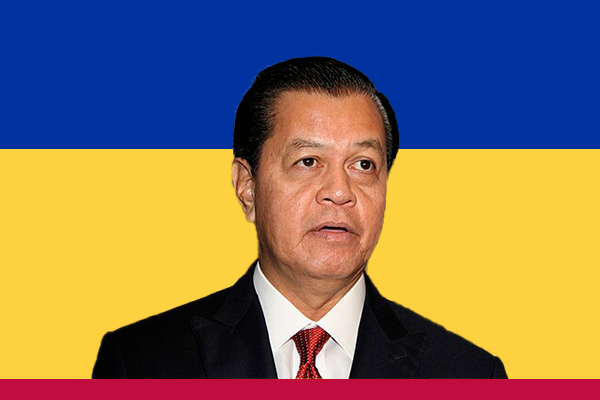
Early Life and Education
Manuel “Noli” Leuterio de Castro Jr. was born on July 6, 1949, in Pola, Oriental Mindoro, Philippines. He grew up in a modest family that valued education, hard work, and faith. De Castro attended the University of the East, where he earned a degree in Banking and Finance. His upbringing in the province and his educational background shaped his values of perseverance and service to the people.
Career in Broadcasting
Noli de Castro began his professional journey as a broadcast journalist. He started with small radio programs before rising to national prominence as a television news anchor. Filipinos across the country trusted his calm voice, credible reporting, and empathetic communication style. His television shows like TV Patrol and Magandang Gabi, Bayan made him a household name. Through journalism, he connected deeply with ordinary Filipinos and became known as “Kabayan,” meaning “countryman.”
Entry into Politics
De Castro entered politics in 2001 after decades in media. His popularity and clean public image convinced him to run for a Senate seat. He campaigned as an independent candidate and gained overwhelming public support. In the Senate, he focused on issues such as housing, education, and poverty alleviation. His approachable personality helped him connect with people from all walks of life.
Election as Vice President
In 2004, Noli de Castro ran for Vice President alongside President Gloria Macapagal Arroyo. His credibility as a media figure and his record as a Senator attracted a broad range of voters. He won the election and took office as the 12th Vice President of the Philippines on June 30, 2004. His victory reflected the public’s trust in his integrity and dedication to service.
Role as Vice President
As Vice President, De Castro also served as the head of the Housing and Urban Development Coordinating Council (HUDCC). He directed numerous housing programs for low-income families and sought to make homeownership accessible to more Filipinos. He frequently visited communities to oversee housing projects and to ensure transparency in government programs. His leadership in housing earned him respect among beneficiaries and government officials alike.
Leadership Style and Achievements
Noli de Castro led with humility and practicality. He used his communication skills to bridge the gap between government officials and citizens. Under his watch, thousands of Filipino families benefited from housing initiatives such as the establishment of relocation sites and socialized housing programs. He believed in governing through direct engagement and in understanding people’s struggles firsthand.
During his term, De Castro maintained a reputation for independence. He supported President Arroyo’s programs when they aligned with his principles but also voiced concerns when necessary. His ability to balance loyalty and independence strengthened his credibility as a leader who prioritized the nation’s welfare.
Return to Media After Politics
After completing his term in 2010, Noli de Castro returned to his first passion—broadcast journalism. He resumed anchoring news programs and continued to advocate for social causes through media. His return symbolized his commitment to informing and guiding the public. His voice once again became a trusted presence in Philippine households.
Legacy and Influence
Noli de Castro’s journey from journalist to Vice President showcased the power of credibility, empathy, and dedication to service. He proved that leadership comes not only from political ambition but also from genuine concern for people’s welfare. His career bridged two vital fields—media and governance—and demonstrated how truth, transparency, and compassion can guide both.
De Castro remains an influential figure in Philippine society. Whether as a public servant or a journalist, he continues to inspire Filipinos to believe in honesty, hard work, and unity. His legacy stands as a testament to a life devoted to both informing and uplifting the nation.