Surendra Bikram Shah
Coronation: 12 May 1847
Reign: 12 May 1847 – 17 May 1881
Home State: Kathmandu Durbar Square
Lifespan: 1829–1881
Country: Nepal
Early Life and Background
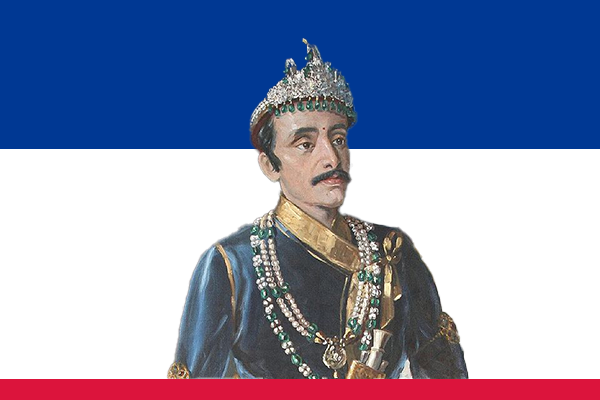
King Surendra Bikram Shah was born in 1829 in Kathmandu, Nepal, as the son of King Rajendra Bikram Shah and Queen Samrajya Laxmi Devi. As a prince, he grew up in the royal palace, witnessing the complexities of the Nepalese court. His early years unfolded during a time of political rivalry among noble families, especially between the Shah monarchy and emerging Rana power.
Rise to the Throne
In 1847, Jang Bahadur Rana’s political influence grew significantly. He persuaded King Rajendra to abdicate, which allowed Surendra to ascend the throne. Surendra accepted the crown at a young age but had limited political authority, as the Rana Prime Ministers held actual power. His reign symbolized the monarchy’s survival under a new political structure dominated by the Ranas.
Reign Under Rana Domination
As king, Surendra performed ceremonial duties and represented the unity of the Nepalese people. Jang Bahadur Rana and his successors controlled state affairs, while Surendra acted as the symbolic head of state. Despite the lack of direct governance power, Surendra maintained dignity in his role and supported decisions that aimed to preserve stability in Nepal.
During his reign, the Rana administration introduced reforms in administration and military organization. Surendra endorsed these initiatives, knowing that they would strengthen the country’s stability, even if he could not directly influence policy. He maintained a cordial relationship with the Rana leaders, which ensured peaceful cooperation between the monarchy and the government.
Personal Life and Legacy
King Surendra Bikram Shah married Queen Trailokya Rajya Laxmi Devi and had royal heirs who continued the Shah dynasty. He valued tradition and religion, supporting cultural and religious institutions throughout the country. His long reign witnessed political limitations for the monarchy, but it also preserved the Shah royal line during turbulent times.
Surendra passed away in 1881, leaving the throne to his son, King Prithvi Bir Bikram Shah. His reign stands as a unique chapter in Nepal’s history—one in which the king acted as a guardian of tradition while accepting the realities of limited monarchical power.
Historical Significance
Although King Surendra Bikram Shah did not directly shape policies, he played a crucial role in maintaining the monarchy’s continuity during an era dominated by the Rana regime. His reign reminds us of the adaptability and endurance of Nepal’s monarchy in the face of shifting political forces.