VICE PRESIDENTS OF IRAN
Vice Presidents of Iran: Roles and Significance
The Islamic Republic of Iran has a unique political structure, with the President serving as the head of government and the Supreme Leader holding ultimate authority. Within this framework, the office of the Vice President plays a vital role in supporting the President and ensuring the smooth functioning of the executive branch. Iran has multiple vice presidents, each overseeing different areas of governance, reflecting the complexity and specialization of the country’s administrative system.
LIST OF VICE PRESIDENTS OF IRAN

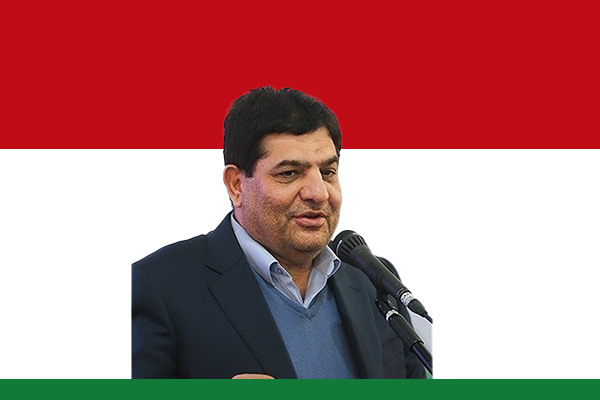

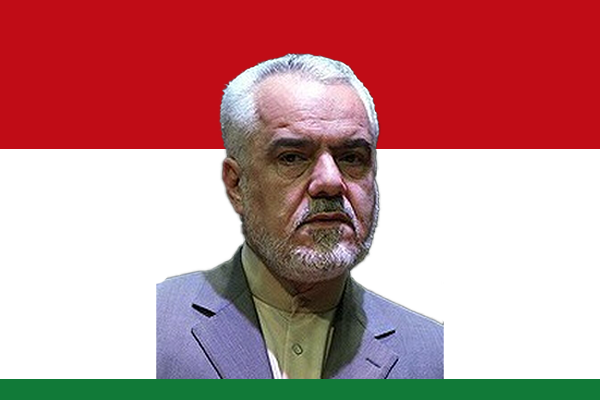
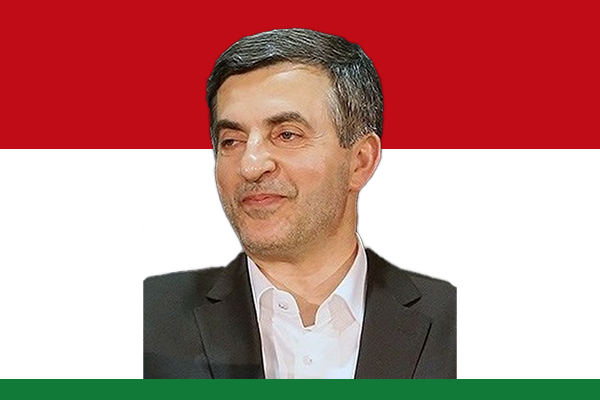

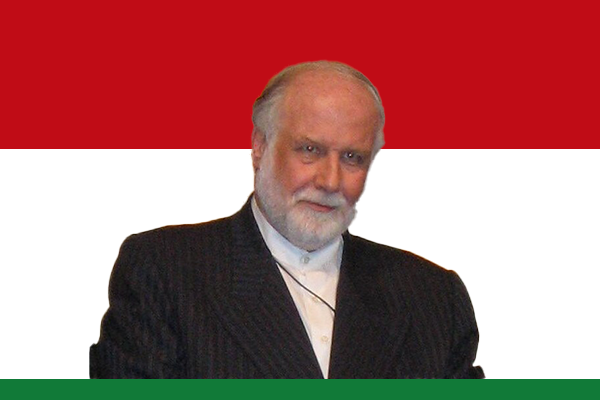
Vice Presidents of Iran
In the 1980s and 1990s, Vice Presidents were instrumental in implementing policies during the Iran-Iraq War, post-war reconstruction, and economic planning. For example, the First Vice President often acted as a key liaison between ministries and the President, ensuring continuity in governance during challenging periods. Other Vice Presidents focused on areas like environmental protection, science and technology, and social welfare.
The 2000s brought a diversification of vice-presidential roles, reflecting the increasing complexity of Iran’s domestic and international agenda. Vice Presidents in this era often led councils and organizations, including cultural affairs, administrative reforms, and economic development initiatives. Their work helped streamline decision-making and supported the President in advancing reformist or conservative policy priorities, depending on the administration.
From 2010 to 2025, Vice Presidents have continued to play pivotal roles in Iran’s evolving governance structure. Notable Vice Presidents have included figures who spearheaded health reforms, technological advancement, and international cooperation. The office also provides stability during transitions of power, with the First Vice President assuming presidential duties temporarily if needed. The increasing prominence of women in vice-presidential positions has marked a gradual shift toward inclusivity, although challenges remain in achieving broader gender representation in leadership roles.
Overall, the Vice Presidency in Iran from 1975 to 2025 reflects a dynamic office that has adapted to political changes, societal demands, and global challenges. These leaders have been central in implementing government policies, supporting presidential agendas, and shaping the administrative landscape of the Islamic Republic. The office continues to be an important component of Iran’s executive branch, bridging governance, policy execution, and national development.