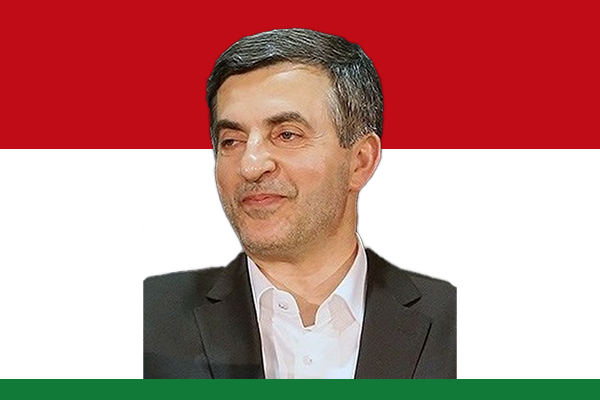
Early Life and Education
Mashaei pursued higher education in Iran and specialized in industrial engineering. His academic background provided him with the foundation to enter government service and administrative roles. Early in his career, he focused on cultural and economic initiatives, which later became a hallmark of his approach to politics. Mashaei’s upbringing in northern Iran and his exposure to regional issues influenced his perspectives on governance and development.
Entry into Politics
Mashaei entered the political arena in the 1980s, gradually gaining recognition for his organizational skills and innovative approach to government programs. He initially worked within local administrations and later held positions in national ministries. Over time, he became a trusted figure within conservative political circles, earning the attention of key political leaders. His reputation as a capable administrator led to higher responsibilities in the government.
Role Under President Ahmadinejad
Mashaei’s prominence surged when Mahmoud Ahmadinejad assumed the presidency in 2005. Mashaei served as a close advisor and later as the head of the presidential office. His influence grew significantly during Ahmadinejad’s administration, particularly in shaping cultural policies and domestic strategies. In 2009, Mashaei was appointed as the First Vice President of Iran, a position that further cemented his status in Iranian politics.
During his tenure as Vice President, Mashaei advocated for policies promoting national self-reliance and cultural development. He emphasized youth engagement and the importance of domestic innovation in technology and industry. Despite his administrative achievements, his views on foreign policy and cultural issues sometimes generated controversy, attracting criticism from conservative factions within the government.
Controversies and Challenges
Mashaei’s political journey was marked by several controversies. His perceived closeness to former President Ahmadinejad and his statements on regional cooperation led to tensions with Iran’s clerical establishment. In 2009, Supreme Leader Ayatollah Ali Khamenei issued a directive preventing him from continuing as Vice President, highlighting the sensitive nature of his political stance. Despite these setbacks, Mashaei maintained a significant support base and continued to influence political discourse in Iran.
Political Philosophy and Influence
Esfandiar Rahim Mashaei is known for advocating a more pragmatic approach to governance, balancing traditional values with modern economic and cultural strategies. He emphasizes Iran’s national identity while seeking greater regional engagement. Mashaei’s influence extends beyond formal positions, as he remains a key voice in political debates and continues to inspire younger political activists.
Legacy and Current Role
Although Mashaei no longer holds the position of Vice President, his political legacy remains substantial. He is remembered for his administrative skills, cultural initiatives, and bold approach to controversial political issues. Today, Mashaei continues to participate in Iran’s political landscape, providing insights on domestic policies and regional relations. His career serves as a case study in the complexities of navigating political power in contemporary Iran.