KINGS OF JARDAN
Introduction
The Hashemite Kingdom of Jordan has been ruled by the Hashemite dynasty since its establishment in the early 20th century. The kings of Jordan have played a vital role in shaping the country’s political system, safeguarding regional stability, and promoting social development. Descended from the Prophet Muhammad, the Hashemite rulers have combined traditional legitimacy with modern statecraft to guide Jordan through regional conflicts and internal challenges.
LIST OT KINGS OF JARDAN

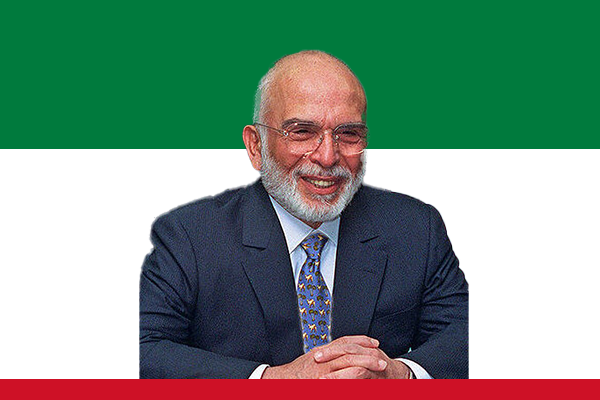
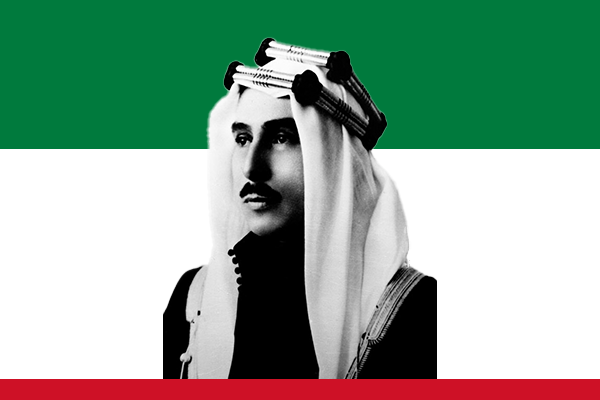
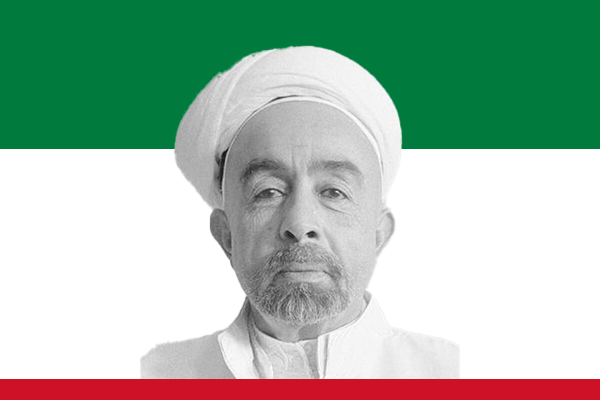
King Abdullah I (1946–1951)
King Abdullah I was the founder and first king of Jordan. After World War I and the collapse of the Ottoman Empire, he worked closely with the British to establish the Emirate of Transjordan. In 1946, Transjordan gained independence, and Abdullah I became king. He focused on building state institutions, strengthening the army, and expanding Jordan’s territory after the 1948 Arab Israeli war. His reign laid the foundation of the modern Jordanian state. In 1951, he was assassinated in Jerusalem, marking a tragic end to his leadership.
King Talal (1951–1952)
King Talal, the son of Abdullah I, ruled for a short period but made a lasting contribution. During his reign, Jordan adopted its most important achievement—the 1952 Constitution. This constitution established a parliamentary system, defined citizens’ rights, and limited royal powers under the law. Due to health issues, King Talal abdicated the throne in 1952, but his constitutional legacy continues to shape Jordanian governance.
King Hussein (1952–1999)
King Hussein is one of the longest-ruling leaders in the Middle East. He ascended the throne at a young age and ruled Jordan for nearly 47 years. His reign was marked by major regional events, including Arab-Israeli wars, internal unrest, and shifting alliances. King Hussein worked to maintain Jordan’s independence, balanced relations with global powers, and promoted national unity. He also signed the 1994 peace treaty with Israel, aiming to secure long-term stability. Under his leadership, Jordan developed its education, health, and infrastructure sectors.
King Abdullah II (1999–Present)
King Abdullah II, the son of King Hussein, has ruled Jordan since 1999. He has focused on economic reform, modernization, and strengthening democratic institutions. His reign emphasizes education, technology, women’s empowerment, and counter-terrorism efforts. Despite regional instability, King Abdullah II has maintained Jordan’s role as a voice of moderation and peace in the Middle East. He continues to work toward economic growth and social reform while preserving national security.
Conclusion
The kings of Jordan have guided the nation through independence, conflict, and reform. Through visionary leadership and resilience, the Hashemite monarchy has ensured continuity, stability, and progress for the Jordanian people.