VICE PRESIDENTS OF UNITED ARAB EMIRATES
Introduction
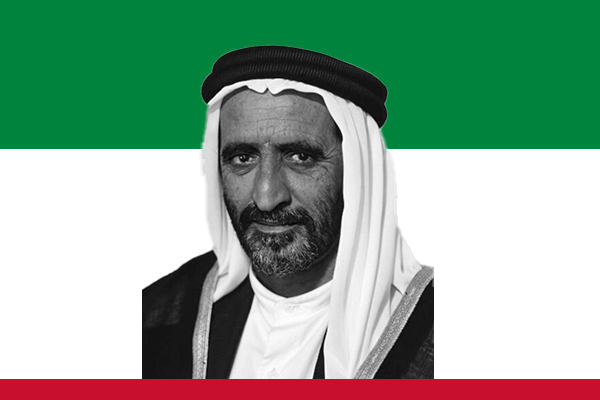
The Vice President of the United Arab Emirates (UAE) holds a key constitutional position within the federal leadership structure. The office supports the President in governing the country and plays an important role in policymaking, administration, and national development. Since the formation of the UAE in 1971, the position of Vice President has been closely associated with the leadership of Dubai, reflecting the balance of power among the emirates.
LIST OF VICE PRESIDENTS OF UNITED ARAB EMIRATES

Constitutional Role of the Vice President
Under the UAE Constitution, the Vice President is elected by the Federal Supreme Council from among its members. The Vice President assists the President in carrying out executive duties and may assume presidential responsibilities in the President’s absence. Traditionally, the Vice President also serves as the Prime Minister, heading the Council of Ministers and overseeing the federal government’s daily administration.
Sheikh Maktoum bin Rashid Al Maktoum
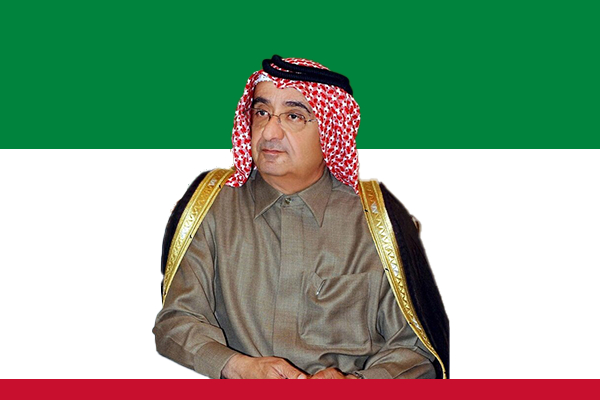
Sheikh Maktoum bin Rashid Al Maktoum was one of the most prominent Vice Presidents in UAE history. He served as Vice President and Prime Minister from 1971 until his death in 2006. As the Ruler of Dubai, he played a vital role in shaping the UAE’s early political institutions and strengthening the federation. His leadership focused on stability, economic cooperation among the emirates, and international diplomacy.
Sheikh Mohammed bin Rashid Al Maktoum
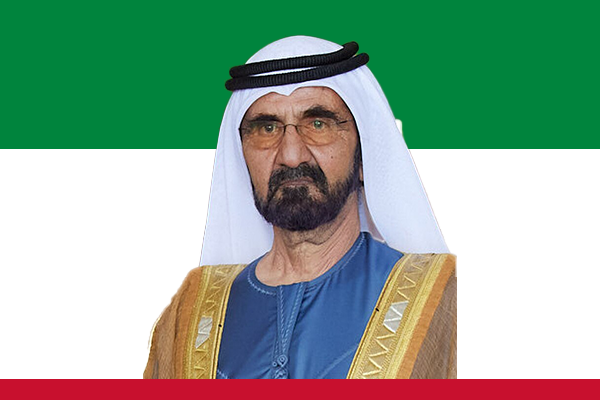
Sheikh Mohammed bin Rashid Al Maktoum assumed the role of Vice President and Prime Minister in 2006. As the Ruler of Dubai, he has become one of the most influential leaders in the modern UAE. His tenure is marked by ambitious development strategies, major infrastructure projects, and a strong emphasis on innovation, governance reform, and global competitiveness. Under his leadership, the UAE has advanced in areas such as digital government, space exploration, and economic diversification.
Importance of the Vice Presidency in UAE Governance
The Vice President’s office ensures continuity and coordination within the federal system. By combining the roles of Vice President and Prime Minister, the UAE maintains efficient decision-making and strong executive leadership. The Vice President also represents the country in regional and international forums, strengthening the UAE’s diplomatic presence.
Conclusion
The Vice Presidents of the United Arab Emirates have played a crucial role in the nation’s political stability and rapid development. From Sheikh Maktoum bin Rashid Al Maktoum to Sheikh Mohammed bin Rashid Al Maktoum, the office has contributed significantly to building a modern, united, and forward-looking state. Through visionary leadership and effective governance, the Vice Presidency remains central to the UAE’s success.